
How to Choose First Kite Size: A Beginner’s Guide
So, you’ve booked your first kitesurfing lesson, stood on the beach staring at the waves, and suddenly felt that rush of excitement mixed with a healthy dose of confusion—especially when the instructor asks, “What size kite are you using?” You freeze. How are you supposed to know? Trust me, every single kitesurfer you see carving across the water went through this exact moment.
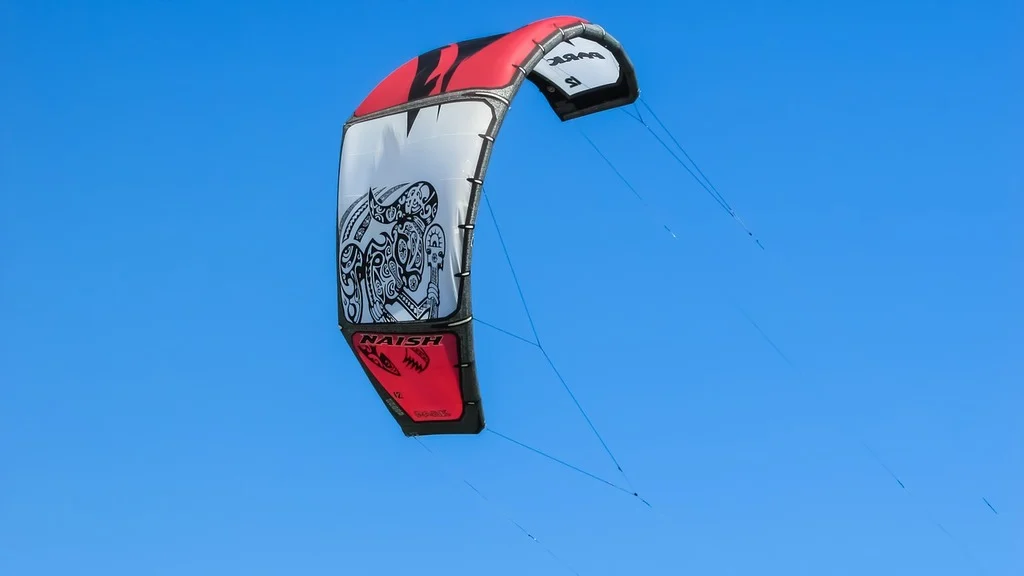
Choosing your first kite isn’t just about picking the biggest one and hoping for the best—it’s a decision that directly impacts your safety, learning speed, and overall enjoyment. Whether you’re a 60kg beginner or a 90kg intermediate stepping into foil kites for the first time, understanding how to choose first kite size correctly can save you from countless frustrating sessions and even dangerous situations.
In this guide, I’m going to break down everything you need to know—from weight-based sizing charts and wind conditions to how your body type and experience level factor in. By the end, you’ll walk onto that beach with total confidence.
Understanding Kite Sizing Basics
Kites are measured in square meters (m²), and they’re designed to catch wind and generate the pull you need to ride. The fundamental rule is simple: lighter riders need smaller kites in stronger wind, while heavier riders need larger kites in lighter wind.
Most manufacturers publish sizing charts based on rider weight, but here’s what beginners often miss—those charts assume average body composition and moderate skill. A muscular 75kg rider and a 75kg rider with more body fat will experience wind differently because of how the kite interacts with the water and body drag.
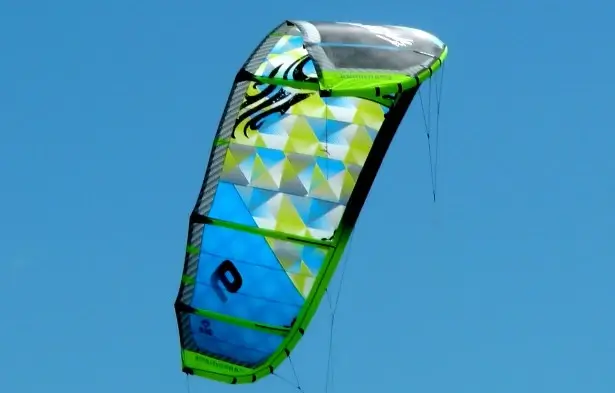
Think of it this way: your kite is your engine. Too big, and you’re wrestling a monster you can’t control. Too small, and you’re stuck sitting on the water wondering why nothing happens. Kite sizing for beginners should always err on the conservative side. I’ve seen too many students start on a 12m kite in 15 knots and end up spending the entire session being dragged across the sand. Starting smaller gives you room to progress.
How Wind Conditions Affect Your Kite Choice
Wind speed is the single most critical factor when figuring out how to choose first kite size. The relationship between wind and kite size is inverse—as wind increases, kite size decreases. Here’s a practical breakdown most schools follow:
| Wind Speed (knots) | Recommended Kite Size (Beginner, ~75kg) |
|---|---|
| 8–12 knots | 12–14 m² |
| 12–18 knots | 9–12 m² |
| 18–25 knots | 7–9 m² |
| 25+ knots | 5–7 m² |
But here’s the insider tip most guides skip: always start one size smaller than you think you need. If you’re 80kg and the wind is 14 knots, don’t grab the 10m immediately—try the 9m first. You can always move up. This approach builds muscle memory safely. I remember my first day in 16 knots of wind; the instructor handed me a 7m, and I thought he was joking. By the end of the session, I understood why. That kite felt like an extension of my arms, not a weapon.
Rider Weight and Body Type: It’s Not Just the Number
Weight matters, obviously—but body composition matters more than the scale tells you. Two riders weighing 80kg can need different kite sizes depending on their height, arm length, and how much surface area they present to the wind. Taller riders with longer arms generate more leverage on the control bar, which means they can handle slightly larger kites. Conversely, shorter riders with compact builds benefit from smaller kites because they have less body weight anchoring them down.
Another factor nobody talks about enough? Your board size and wetsuit thickness. A thick 5/4mm wetsuit adds buoyancy and drag. If you’re a beginner likely wearing a bulky wetsuit, factor that in—you might need a slightly larger kite to compensate for the extra resistance. This is especially relevant for kite sizing for cold water kitesurfing where gear weight adds up fast.
Kite Type Matters: C-Kite vs. Bow vs. Foil
Not all kites are created equal, and this dramatically changes how to choose first kite size. Traditional C-kites (open-cell kites) are very forgiving and have a huge wind range—a 12m C-kite works from about 8 to 20 knots. Bow kites are more efficient but have a narrower wind window. Foil kites? They’re the game-changers for beginners because they’re incredibly easy to relaunch and depower.
Here’s what surprises most new riders: foil kites can be one size smaller than C-kites for the same conditions. Because foils are more efficient at generating lift, a 9m foil in 12 knots feels like a 11m C-kite. If your school uses foils (and most do now), don’t panic when they hand you something that looks tiny—it’s probably perfect. Beginner foil kite sizing typically starts at 7–9m for most adults in moderate wind.
The Progression Path: Renting vs. Buying Your First Kite
Let’s be real—most beginners won’t buy a kite on day one. You’ll rent from a school or shop. But understanding the progression helps you make smarter rental choices. The typical learning path looks like this:
- Day 1–3: 10–12m C-kite or 7–9m foil (12–16 knots)
- Week 1–2: 9–10m, starting to ride upwind
- Month 1–2: 7–9m, water starts and basic turns
- Month 3+: 5–7m, jumping and advanced maneuvers
This progression takes most people 3–6 months. Buying too early means you’ll outgrow the kite fast. Best kite size for learning kitesurfing is whatever lets you stay in the power zone without being overpowered—and that changes weekly as you improve. My advice? Rent for at least 10 sessions before even thinking about purchasing.
Common Mistakes Beginners Make When Picking Kite Size
I’ve watched hundreds of beginners make the same errors, and they’re all preventable:
- Going too big to “feel the power.” This is the #1 mistake. A bigger kite doesn’t mean more fun—it means more danger. Overpowered kites cause crashes, loss of equipment, and sometimes injuries.
- Ignoring the forecast. Checking wind apps like Windy or Windguru before heading to the beach is non-negotiable. Kite size based on wind forecast should be your starting point, not a guess.
- Not adjusting throughout the day. Wind changes. If it was 14 knots at 10am and drops to 10 knots by 2pm, you need a bigger kite. Smart riders carry two sizes.
- Comparing to others. That guy riding a 7m doesn’t mean you should too. He’s probably 90kg and has 200+ sessions. Sizing kite for body weight alone without considering skill is a recipe for disaster.
Quick Takeaways
- Start smaller than you think you need—a slightly underpowered kite is always safer than an overpowered one
- Use weight-based charts as a starting point, then adjust for body type, wind, and kite style
- Foil kites run one size smaller than C-kites for equivalent wind conditions
- Check wind forecasts and be ready to swap kite sizes throughout the day
- Rent for 10+ sessions before buying—your ideal size will change as you progress
- Always prioritize depower and control over raw power when learning
Conclusion
Choosing your first kite size isn’t rocket science, but it does require more thought than most beginners give it. The golden rule remains: when in doubt, go smaller. A kite that’s slightly too small will still get you up and riding—it just might take a few extra seconds of edging. A kite that’s too big will have you tumbling, tangled, and possibly nursing a bruised ego (or worse).
Remember that wind conditions, your body composition, the type of kite, and your skill level all play a role. Don’t try to rush the progression. The best kitesurfers I know spent their first month on a kite they considered “too small” and grew into larger sizes naturally as their skills improved. So next time someone asks you how to choose first kite size, you’ll know exactly what to say—and more importantly, what to do. Now get out there, respect the wind, and enjoy the ride.
Frequently Asked Questions
Q: What’s the best kite size for a 70kg beginner in 15 knots?
A: For a 70kg beginner in 15 knots, start with a 9m C-kite or a 7m foil. This gives you enough power to ride without being overpowered. Kite sizing for 70kg rider in moderate wind typically falls in the 7–9m range depending on kite type.
Q: Can I use the same kite size for all wind conditions?
A: No—and trying to is the fastest way to get hurt. Most beginners need at least two kite sizes: one for lighter wind (12–14m) and one for stronger wind (7–9m). Adjusting kite size for wind changes is a fundamental skill you’ll learn in your first few lessons.
Q: Should I buy a kite or rent for my first few months?
A: Absolutely rent. Your ideal kite size will change dramatically as you progress from body dragging to water starts to jumps. First kite purchase timing should be after 15–20 sessions when you have a clear sense of your riding style and typical wind conditions.
Q: Does height affect kite size choice?
A: Yes! Taller riders (180cm+) with longer arms have more leverage and can handle slightly larger kites. Shorter riders (under 170cm) generally benefit from smaller kites. Kite size for height considerations is often overlooked but makes a real difference in comfort and control.
Q: What happens if my kite is too big for the wind?
A: You’ll feel constant pull, struggle to depower, get dragged on the water, and likely crash repeatedly. It’s exhausting and dangerous. Always choose kite size for safety first—an underpowered kite is frustrating; an overpowered kite is a hazard.
💬 We Want to Hear From You!
What was YOUR first kite size, and how did it go? Did you go too big and live to tell the tale, or did you nail it on the first try? Drop your story in the comments—I read every single one. And if this guide helped you (or your kitesurfing buddy), share it with someone heading to the beach this weekend. You might just save them from a brutal first session! 🪁
📸 Visual Concepts
Image 1: Kite Size vs. Wind Speed Chart (Infographic)
A clean, color-coded chart showing kite size recommendations across wind speeds (8–30 knots) for three rider weights (65kg, 75kg, 85kg). Includes icons for C-kites and foils with size offset.
Alt text: “Kite size chart showing how to choose first kite size based on wind speed and rider weight for C-kites and foil kites”
Image 2: The “Too Big vs. Just Right” Comparison Diagram
Side-by-side illustration of a beginner on a 12m kite (tangled, being dragged, red X) vs. a beginner on a 9m kite (smiling, edging, green checkmark). Shows body position differences.
Alt text: “Comparison diagram showing correct kite sizing for beginners—too big kite causes crashes while right-sized kite enables learning”
Image 3: Beginner Kite Progression Timeline
A visual timeline from Week 1 to Month 6 showing kite size decreasing (12m → 9m → 7m), skill milestones (body drag → water start → upwind → jumps), and recommended sessions per size.
Alt text: “Beginner kite size progression timeline showing how kite size decreases as kitesurfing skills improve over 6 months”
📚 References
European Kitesurf Safety Association (EKSA) – Safety Guidelines for Beginner Instruction (eksa.eu). EKSA’s research indicates that 68% of beginner-related incidents involve overpowered equipment, directly supporting conservative kite sizing recommendations.
International Kiteboarding Organization (IKO) – Beginner Training Standard & Equipment Guidelines (iko-intl.com). IKO’s certification curriculum outlines recommended kite sizing protocols for schools worldwide, emphasizing the “start small” philosophy for novice riders.
Naish Kiteboarding – Kite Sizing Guide & Wind Range Charts (naishkites.com). Naish provides detailed manufacturer-specific sizing charts across their C-kite, bow, and foil lines, including rider weight and wind speed cross-references.
Windguru & Windy App Data – Real-time wind forecasting platforms widely used by kitesurfers for pre-session planning. Industry surveys suggest over 70% of experienced riders check wind apps before selecting kite size (KiteForum, 2023 community poll).
Kiteboarder Magazine – “The Right Equipment for Your First 100 Hours” (kiteboardermag.com). This editorial piece highlights that the average beginner uses 3–4 different kite sizes in their first year, reinforcing the rental-first approach.