

Best Kitesurfing Spots in Malaysia

If you’re chasing wind, waves, and that perfect salty rush, Best Kitesurfing Spots in Malaysia may not yet be a household phrase among global riders—but it should be. Malaysia’s East Coast and islands offer a surprisingly rich range of kiteboarding experiences: from flat‑water cruising to surfable waves, from wind foiling to freestyle, all set against lush tropical surroundings. Whether you’re coming from Singapore, Australia, or anywhere further afield, knowing where to go, when the winds blow strongest, and what gear you’ll want will make or break your trip.
In this guide, I’ll walk you through Malaysia’s standout kite spots—Jason Bay, Cherating, Tioman, Balok, Tanjung Resang, Tanjung Balau, and lesser‑known gems—highlighting wind patterns, wave vs flat water conditions, safety, gear and local culture. I’ll also share insider tips, sample itineraries, and what to expect from lodging, schools, and hazards. By the end, you’ll have a clear roadmap for planning your kitesurf adventure, with long‑tail details like wind seasons in knots, best months for wave riding, and intermediate vs expert tips. Grab your kite, wax your board—and let’s explore Malaysia’s kiteboarding frontier.
What Makes Malaysia Special for Kitesurfing
Geography & Wind Systems
Malaysia sits in a tropical region where two major monsoons and a couple of inter‑monsoon periods define the wind laid‑out patterns. The Northeast Monsoon, blowing from roughly November through March, is when the East Coast of Peninsular Malaysia (Pahang, Johor) and many islands get their most stable winds—often side‑onshore or crossshore winds of 15‑20 knots, sometimes more.
During this monsoon, swell builds in the South China Sea, producing rideable waves for intermediate and advanced kitesurfers. Islands like Tioman benefit from this due to exposure and sometimes a semi‑Venturi effect, pushing winds faster along certain exposed tips.
The Southwest Monsoon (roughly May to September) is weaker on the East Coast, offering lighter winds (10‑15 knots average), more variable, often better suited for freeride, foil, or beginners. Inter‑monsoon months (March‑April, October) tend to be more unpredictable: wind shifts, intermittent rain, may leave spots with calm patches.
Malaysia is not generally a high‑wind destination like some other Southeast Asia spots, but its wind consistency during the peak season, coupled with a mix of flat‑water bays and wave breaks, makes it stand out. Also water temps are warm (~27‑30°C) so you can ride in boardshorts, which helps with ease and comfort.
Seasons: Monsoon, Inter‑monsoon & Best Months
| Period | Wind Strength / Direction | Best Spots During Period | Suitability |
|---|---|---|---|
| November‑March (NE Monsoon) | Stronger winds (15‑20+ knots), more consistent, side‑onshore from NE to E‑NE | Balok, Cherating, Tioman (Genting, Juara), Tanjung Resang | Intermediate to advanced; wave riding possible; good for learning in flat bays too |
| April‑May / October‑November (Inter‑monsoon) | Variable winds, sometimes lighter; occasional unsettled weather | Some days at Tioman, Johor coastal spots | For experienced riders or those willing to adapt |
| May‑September (SW Monsoon / Low‑wind Season) | Weaker average winds (10‑15 knots), more stable sun, less swell | Tioman’s sheltered bays; some sessions off Johor | Good for school lessons, light‑wind sessions |
One unique insight: some of Malaysia’s best wind days happen during the transition months (just before or after monsoon) when thermals kick in mid‑day, producing reliable afternoon breezes even if morning is calm.
Types of Spots: Flat Water, Waves, Reef & Beach Breaks
- Flat‑water bays and lagoons: For example, parts of Jason Bay offer shallow, choppy to small‑wave conditions, which are great for beginners or foil riders.
- Wave / Surfable beaches: Cherating, Balok, Tanjung Balau see larger waves during North‑East Monsoon.
- Reef / rocky bottoms: Some beaches have hidden reefs or rocks near the shore (e.g. at the south end of Tanjung Balau).
- Beach breaks: Many of the Johor and Pahang spots are sandy bottom, forgiving for wipeouts, easier learning, less risk of cuts.
🏄 Jason Bay (Johor)

Skill Level: Intermediate, Advanced | Water Type: Choppy, Waves | Bottom: Sand | Launch: Sandy Beach — Confirm Local Access
Jason Bay is a kitesurfing location on the eastern coast of Johor, facing the South China Sea. Its open coastline receives the northeast monsoon winds that provide Malaysia’s main kitesurfing season.
The beach offers a mixture of choppy water and small waves, depending on wind strength and swell. Northeast winds can create side-onshore conditions, making the area attractive for freeriding when the weather is suitable.
Although Jason Bay has a sandy shoreline, conditions can become challenging during the monsoon. Strong gusts, rain squalls, currents and increasing surf make it important to assess the beach before launching.
Best Wind Season: November to March, with January and February often offering favourable conditions.
Typical Wind Speed: Approximately 10–25 knots on windy monsoon days, although lighter periods are common.
Facilities: No kite-specific facilities have been reliably confirmed directly at the launch. Bring your own equipment and check access arrangements before travelling.
Important Local Rules: Confirm that kitesurfing is permitted at your intended launch location. Keep clear of swimmers and fishing activity, and avoid launching when the beach is crowded or conditions are unsafe.
Planning a session at Jason Bay? Visit our Jason Bay Kitesurf Spot Guide for wind conditions, launch information, facilities and local restrictions.
🏄 Balok Beach (Kuantan, Pahang)

Skill Level: Beginner, Intermediate, Advanced | Water Type: Choppy, Waves | Bottom: Sand | Launch: Sandy Beach Near the Kiteboarding Centre
Balok Beach, near Kuantan in Pahang, is one of Malaysia’s most established kiteboarding locations. The long sandy coastline is exposed to the northeast monsoon, attracting riders looking for wind and waves.
During the main season, Balok can experience stronger winds and energetic surf. Intermediate and advanced riders can enjoy challenging freeriding conditions, while beginners should learn with an instructor on suitable days.
A local kiteboarding centre operates along Balok Beach and offers lessons and equipment rental. This makes Balok a more practical choice for visitors who do not have their own equipment.
However, the conditions are not always beginner-friendly. Monsoon swell, strong currents and sudden weather changes require careful judgment.
Best Wind Season: November to March.
Typical Wind Speed: Approximately 15–30 knots during stronger monsoon conditions, with lighter winds outside the peak season.
Facilities: Parking, kite instruction and equipment rental are documented at the beachfront kiteboarding area. Confirm the school’s operating dates and rental availability before visiting.
Important Local Rules: Use the kite school’s recommended launching area and respect other beach users. Beginners should take lessons rather than attempt independent launching during strong monsoon conditions.
Planning a session at Balok Beach? Visit our Balok Beach Kitesurf Spot Guide for wind conditions, facilities, launch information and local restrictions.
🏄 Cherating Beach (Pahang)

Skill Level: Intermediate, Advanced | Water Type: Choppy, Waves | Bottom: Sand | Launch: Open Sandy Beach — Verify the Kite Launch Area
Cherating Beach is a beautiful stretch of coastline in Pahang, known for its relaxed atmosphere, surfing and other watersports.
The beach is exposed to the South China Sea and receives northeast monsoon winds between November and March. During this period, riders may encounter choppy water, waves and changing weather conditions.
Cherating is particularly interesting for intermediate and advanced kitesurfers who enjoy coastal riding. However, the wind is not consistently strong, and some days require larger kites or different equipment.
The northeast monsoon can also bring substantial rainfall and powerful surf. Riders should carefully assess the forecast, currents and available beach space before launching.
Best Wind Season: December to March.
Typical Wind Speed: Often around 8–14 knots in lighter conditions, with stronger monsoon sessions occasionally reaching 20–25 knots.
Facilities: Parking and food outlets are reported around the beach area. Kite-specific rental and instruction have not been confirmed directly at the launch.
Important Local Rules: Confirm current kite-launch permissions before riding. Respect swimmers, surfers, fishing activity and any protected turtle-nesting areas. Avoid the water during dangerous monsoon surf or thunderstorms.
Planning a session at Cherating Beach? Visit our Cherating Beach Kitesurf Spot Guide for wind conditions, launch information, facilities and local restrictions.
🏄 Tanjung Balau (Desaru, Johor)

Skill Level: Intermediate, Advanced | Water Type: Choppy, Waves | Bottom: Sand, with Rocky Sections Nearby | Launch: Sandy Beach — Check Tides, Rocks and Local Access
Tanjung Balau is a coastal destination in southeastern Johor, overlooking the South China Sea. Its exposure to the northeast monsoon makes it a documented location for kitesurfing and wingfoiling.
The main wind season generally runs from December to March. Depending on the weather, riders may experience moderate coastal chop or more challenging wave conditions.
Although the area has sandy beach sections, rocks and changing tidal conditions can create hazards near the shoreline. Choosing a safe launching area is essential.
Tanjung Balau is best suited to intermediate and advanced riders who are comfortable assessing unfamiliar coastal conditions. The location should not be treated as a fully equipped kite centre.
Best Wind Season: December to March, particularly January and February.
Typical Wind Speed: Frequently around 7–12 knots during modelled rideable periods, with occasional stronger monsoon winds.
Facilities: No kite-specific facilities have been reliably confirmed directly at the launch. Visitors should bring their own equipment and verify local access.
Important Local Rules: Confirm that launching is permitted at your intended beach section. Watch for rocks, swimmers, fishing activity, strong surf and sudden monsoon weather changes.
Planning a session at Tanjung Balau? Visit our Tanjung Balau Kitesurf Spot Guide for wind conditions, launch details, facilities and local restrictions.🏄 Tanjung Balau, Johor, Malaysia.
🏄 Tioman Island (Genting & Juara)
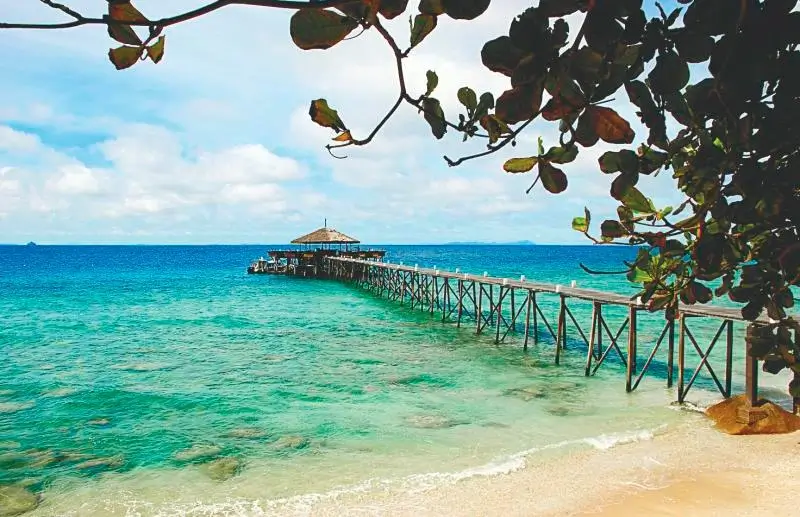
Skill Level: Intermediate, Advanced | Water Type: Choppy | Bottom: Sand, with Possible Reef and Rock Hazards | Launch: Beach Access — Permitted Kite Launch Not Yet Verified
Genting is a coastal village on the western side of Tioman Island, one of Malaysia’s most beautiful tropical destinations.
The area has been documented as a seasonal kitesurfing location, particularly in connection with the southwest monsoon. Local terrain can influence wind strength and direction, making conditions different from those on Malaysia’s exposed eastern coastline.
The surrounding scenery is spectacular, with tropical vegetation, clear water and mountainous terrain. However, the presence of reefs, boats and potentially limited launching space means that Genting is better suited to experienced riders familiar with assessing unfamiliar locations.
Unlike established kite centres, Genting should not be considered a fully equipped kitesurfing destination.
Best Wind Season: Approximately May to September, during the southwest monsoon. Suitable kiteboarding conditions are not guaranteed.
Typical Wind Speed: Variable. Reliable spot-specific wind-speed averages have not been verified.
Facilities: No kite-specific facilities have been confirmed directly at the launch. Accommodation and restaurants are available in the wider village, but should not be counted as on-site kite facilities.
Important Local Rules: Tioman Island is part of a protected marine environment. Confirm that kitesurfing is permitted at the intended location before launching. Respect coral reefs, marine life, swimmers and boat traffic.
Planning a kitesurfing trip to Genting? Visit our Tioman Island — Genting Kitesurf Spot Guide for wind conditions, launch information and important restrictions.
🏄 Tioman Island (Juara)
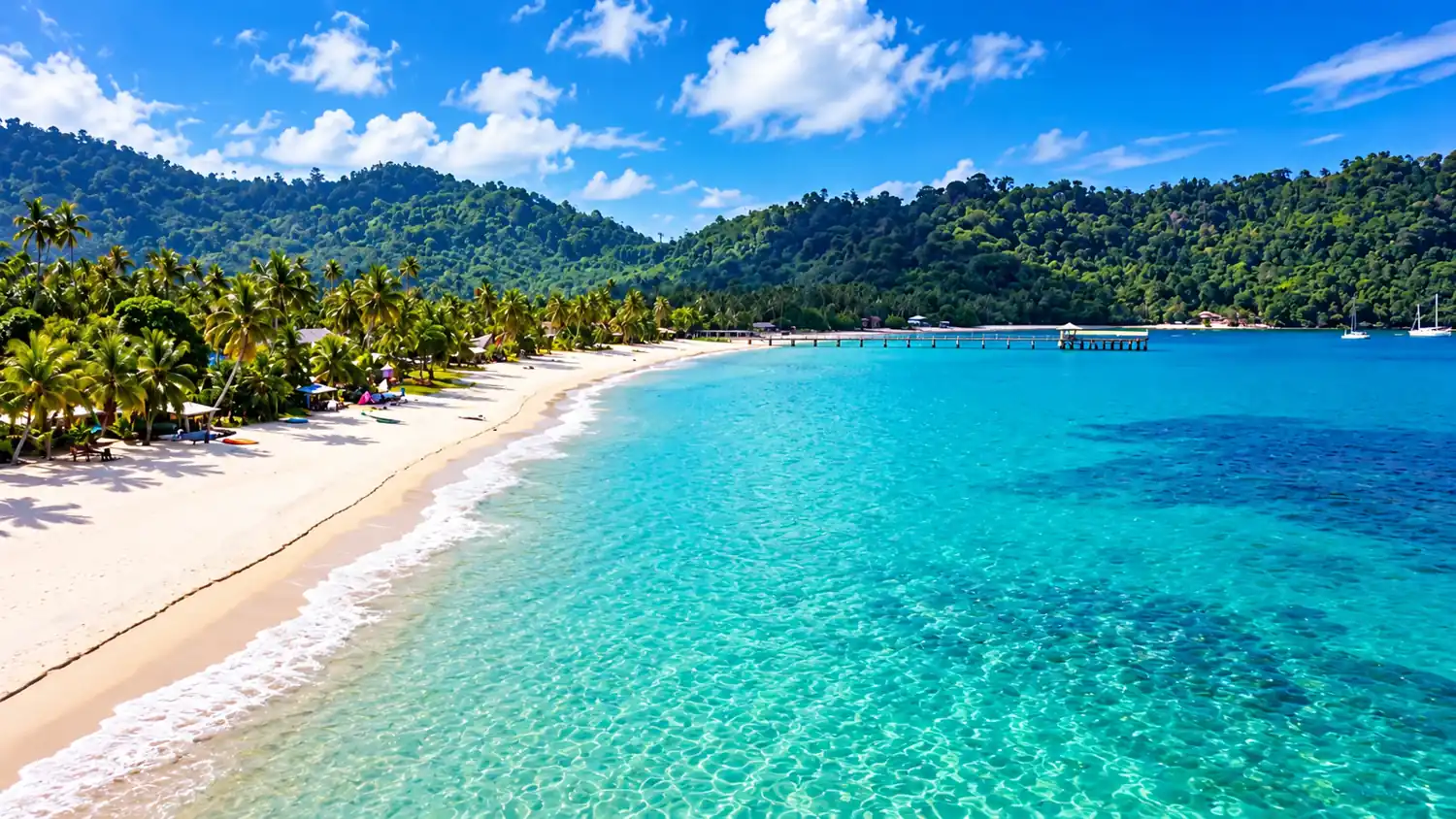
Skill Level: Intermediate, Advanced | Water Type: Choppy, Waves | Bottom: Sand, with Possible Rocks and Reef Hazards | Launch: Sandy Beach — Permitted Kite Launch Not Yet Verified
Juara is a picturesque village on the eastern coast of Tioman Island, known for its long sandy beach, tropical scenery and relatively peaceful atmosphere.
Unlike Genting on the island’s western coast, Juara faces the South China Sea. This gives it greater exposure to the northeast monsoon, which generally affects Malaysia’s eastern coastline between November and March.
During suitable wind conditions, the beach may offer opportunities for coastal freeriding. However, the northeast monsoon can also produce significant waves, strong currents, heavy rainfall and dangerous surf.
Juara is therefore better suited to intermediate and advanced kitesurfers who can evaluate changing coastal conditions.
Although the beach is relatively spacious in places, an authorised public kite launch has not yet been independently confirmed.
Best Wind Season: November to March, during the northeast monsoon.
Typical Wind Speed: Variable, depending on monsoon strength and local weather. Reliable spot-specific averages have not been verified.
Facilities: No kite schools or equipment rental services have been confirmed directly at the kite launch. Tourist accommodation and restaurants are available in Juara village.
Important Local Rules: Confirm local kite-launch permissions and marine park regulations before riding. Avoid coral reefs, swimming areas and sensitive wildlife habitats, including turtle-nesting areas.
Interested in kitesurfing at Juara? Read our Tioman Island — Juara Kitesurf Spot Guide for wind conditions, access information and safety considerations.
🏄 Tanjung Resang (Johor)

Skill Level: Intermediate, Advanced | Water Type: Choppy, Waves | Bottom: Sand | Launch: Sandy Beach — Confirm the Designated Launch Area
Tanjung Resang is a beautiful coastal destination in Johor, situated along Malaysia’s eastern shoreline facing the South China Sea.
The beach is a documented kitesurfing location, particularly during the northeast monsoon season when stronger winds reach the coastline.
Its relatively open shoreline provides exposure to the prevailing monsoon winds, creating opportunities for freeriding when conditions are suitable.
Depending on wind strength and offshore weather systems, riders may encounter choppy water, small waves or more challenging surf.
Tanjung Resang is generally better suited to intermediate and advanced kitesurfers because monsoon conditions can change quickly.
Although the area attracts beach visitors and watersports enthusiasts, kite-specific infrastructure should not be assumed.
Best Wind Season: November to March, with December through February generally forming the main northeast-monsoon period.
Typical Wind Speed: Variable monsoon winds. A reliable spot-specific average has not been verified.
Facilities: No kite-specific facilities have been reliably confirmed directly at the launch. Visitors should bring their own equipment and check local access arrangements.
Important Local Rules: Confirm the permitted kite-launch area before riding. Respect swimmers, fishing activities and other beach users. Avoid launching during thunderstorms, heavy rain or dangerous monsoon surf.
Planning a session at Tanjung Resang? Visit our Tanjung Resang Kitesurf Spot Guide for wind conditions, launch information, facilities and local restrictions.
Gear & Skill Levels: What to Bring & Expect
- Kite sizes & boards: 9‑12m for monsoon; 13‑15m for lighter wind months; foil boards useful.
- Beginners: Jason Bay, Juara.
- Intermediate: Cherating, Balok.
- Advanced: Tanjung Resang, Balau.
- Foil & freestyle: Malaysia’s lighter wind days are great for foiling and big‑kite freestyle.
Travel Logistics & Accommodation
- Getting there: Major airports in Kuala Lumpur and Johor Bahru. Ferries for Tioman.
- Staying: Resorts and chalets at Cherating, Tioman, Balok. Guesthouses at Jason Bay, Tanjung Resang.
- Culture & safety: Malaysia is majority Muslim—dress modestly off‑beach, respect local norms. Watch for mosquitos in wet season.
Sample Itineraries & Combined Trips
- East Coast Explorer (10‑14 days): Cherating → Balok → Tioman → Tanjung Resang.
- Weekend from Singapore: Jason Bay or Tanjung Balau.
- Mixed Waves + Flat Water: Combine Juara or Jason Bay with Balok.
Key Takeaways
- Malaysia’s peak kite season is Nov–Mar during the Northeast Monsoon.
- Balok, Jason Bay, Cherating, Tioman, Tanjung Resang, Tanjung Balau are the top picks.
- Gear variety is essential.
- Travel logistics require planning.
- Safety and environmental awareness are key.
Conclusion
Malaysia is not yet the first place many kitesurfers think of when chasing wind, but that’s changing fast—and for good reason. Between the steady wind colonnades of the NE Monsoon, the beautiful coastline, the mix of surfable waves and flat water bays, and the warmth and friendliness of its people, Malaysia has enough variety and charm to make any kite trip memorable.
If you time your trip for November to March, you’ll hit the sweet spot: stronger, more consistent winds; wave action for intermediate/advanced riders; ample opportunity for schooling or freestyle in flatter corners. Outside those months, lighter breezes still allow for foiling or relaxed cruising. The spots profiled—Jason Bay, Balok, Cherating, Tioman, Tanjung Resang, Tanjung Balau—cover what you need to choose based on your style.
When planning, give equal weight to forecasts, beach conditions, lodging, and local safety. Malaysia’s kite spots reward those who prepare but also those ready to adapt. Grab your gear, pick a region, choose your moment—and ride the wind.
FAQs
Q1. What are the best months to visit Malaysia for kitesurfing?
The best months are November through March during the Northeast Monsoon.
Q2. Which spots are best for beginners?
Jason Bay and Juara (Tioman Island) offer forgiving sandy bottoms and flat water.
Q3. Are there wave spots for advanced riders?
Yes—Balok Beach, Cherating, Tanjung Balau, Tioman during the NE Monsoon.
Q4. Do I need permits to kite surf in Malaysia?
Some beaches may require local permission; check with kite schools or authorities.
Q5. What gear should I bring?
Bring both large and small kites, a wave board, reef‑safe booties, helmet, and spares.
Share Your Experience
If you found this guide useful, I’d love to hear from you: which spot are you hoping to ride in Malaysia? Or if you’ve already been, what was your favourite beach and why? Share your story below—and don’t forget to spread the stoke by sharing this guide with fellow riders!