
Best Kitesurfing Spots in Antigua and Barbuda

If you’re hunting for that perfect combo of turquoise water, steady winds and stunning scenery, then exploring the best kitesurfing spots in Antigua and Barbuda should be near the top of your list. Whether you’re just getting comfortable with your kite, or you’re chasing remote lagoons and reef rides, this destination delivers.
In this guide, you’ll find detailed breakdowns of ten top kite locations across the islands—each with info on skill level, water type, bottom and launch. I’ll also cover logistics, gear sizing, safety pointers and insider tips to help you pick and ride the ideal session. Strap in, pump up your kite, and get ready to ride one of the Caribbean’s most varied kite playgrounds.
Why Antigua & Barbuda Are Top Kite Destinations
Antigua and Barbuda are a kitesurfer’s dream come true — two sister islands shaped by steady trade winds, turquoise lagoons, and long sandy beaches that make launching and landing effortless. Unlike more crowded Caribbean hubs, these islands still feel wild and open, giving riders that perfect mix of freedom and consistent conditions. Whether you’re cruising smooth lagoon water or carving waves off a reef, you’ll find something here for every style and skill level.
What the Wind Statistics Tell Us
The real magic of Antigua and Barbuda lies in their wind reliability. From December through July, the northeast trade winds blow like clockwork, averaging 15 to 25 knots almost every day. This consistency is what keeps kites in the air — whether you’re learning to ride your first edges or pushing into unhooked freestyle tricks.
Even in the lighter months (August to November), there are still plenty of ridable days thanks to local thermal winds and warm sea temperatures. Most riders bring 9m–12m kites as their main setup, with smaller kites handy for stronger spring breezes. Simply put — if you want guaranteed wind, this is one of the safest bets in the Caribbean.
The Island Geography and Its Kite-Friendly Coastlines
Antigua’s shape is dotted with coves, bays, and shallow lagoons surrounded by coral reefs. This geography naturally creates protected flatwater spots — ideal for progression and freestyle. On the outer reef edges, clean Atlantic swells roll in, offering perfect conditions for wave riders who love carving and jumping.
Barbuda, Antigua’s quieter twin, offers even more untouched kiting experiences. Its long, unbroken beaches stretch for miles, and the turquoise shallows make for dreamy downwinders where you can ride for hours with nothing but pelicans and turtles around.
Best Seasons and Weather Windows
While you can kite here year-round, the peak season runs from December to July when trade winds are strongest and most consistent. The winter months bring cooler air and stronger gusts, ideal for advanced riders looking for more power.
During May to July, the winds mellow slightly, creating the perfect conditions for beginners and freeriders who prefer smoother sessions. The hurricane season (August to November) is less reliable but still offers warm water and occasional strong fronts — best for locals or those chasing spontaneous sessions.
With average water temperatures around 27°C (80°F), you’ll never need a wetsuit — just your board, kite, and plenty of sunscreen.
How to Choose the Right Spot Based on Your Skill Level
Antigua and Barbuda have a surprisingly diverse range of kitesurfing spots — from calm lagoons perfect for learning to wild reef breaks that challenge even seasoned riders. Knowing which type of spot suits your ability can make the difference between a relaxed, confidence-building session and a frustrating one.
Beginner-Friendly vs. Advanced-Only Conditions
If you’re just getting started or still working on staying upwind, stick to protected lagoons and shallow bays. Spots like Jabberwock Beach on Antigua offer steady side-onshore winds and soft sandy bottoms, which make launching, riding, and self-rescuing much safer. Flat, waist-deep water also helps you focus on your technique without worrying about waves or deep ocean currents.
For intermediate and advanced riders, the outer reef zones and open ocean spots offer more challenge and excitement. These areas often have stronger winds, choppier surfaces, and rolling swells, great for boosting jumps, unhooked tricks, or surf-style carving. Keep in mind that these spots can be less forgiving — you’ll need solid kite control, quick body dragging skills, and awareness of reef formations below.
Flat Water vs. Wave & Bump Terrain
Your preferred riding style plays a big role in choosing the right spot. Antigua’s north and east coasts are shaped by coral reefs that block the swell and create butter-smooth lagoons — perfect for freeride, freestyle, and progression sessions. These flat-water zones are also easier on your gear and ideal for trying new tricks without heavy impact.
If you crave more energy and variety, head to the windward or Atlantic-facing sides. Here, the open sea produces bump-and-jump conditions and clean wave sections that break gently on sandy bottoms or outer reefs. These spots are paradise for wave riders and anyone who loves using the ocean’s natural rhythm as a playground.
Launch & Access Logistics: Beach vs. Boat
One of the best things about kiting in Antigua and Barbuda is how easy most launches are. Many beaches offer wide, obstacle-free zones with steady side-onshore winds — the safest and easiest direction for takeoff and landing. Simply rig your kite, check your lines, and go.
However, some of the more remote or advanced spots — especially around Barbuda and outer reef systems — are accessible only by boat. Local kite schools and tour operators often organize these day trips, giving you access to pristine, crowd-free lagoons and wave breaks you’d never reach otherwise. If you’re planning to explore by boat, always carry safety gear (radio, leash, spare lines) and go with someone who knows the local wind and tide patterns.
🏄 Jabberwock Beach (Antigua)

Skill Level: Beginner to Advanced | Water Type: Flat to bump & jump | Bottom: Sand near shore, reef drop-off further out | Launch: Wide white-sand beach, car accessible
Jabberwock Beach is a staple kite spot on Antigua and for good reason. You’ll roll up to a wide sandy launch zone, plenty of space to rig and take off, and a mostly side-on wind angle that works well for all levels.
The shallow sand bottom near the shore means that less confident kiters can get comfortable, while more advanced riders can push out toward the reef edge for more dynamic runs. With consistent trade winds filling in, you’ll find yourself comfortably riding a 10-12m kite for most body weights in the standard wind window.
From a progression perspective, Jabberwock is hard to beat: start in the sand-shoal flat zone, upgrade your tricks or jump out near the reef when you’re ready. Facilities are nearby (schools, rentals) so you won’t lose time. My insight: try a late-afternoon session here when the tide backs off and the water flattens—less wind, but smoother runs and fewer crowds.
For advanced riders: connect a downwinder along the coast past the reef edge; many miss how much mileage you can get by going beyond the obvious zone. If you’ve only got one full day on Antigua, Jabberwock is the place to anchor.
🏄 Dutchman’s Bay Beach (Antigua)
Skill Level: Beginner to Intermediate (with Advanced options) | Water Type: Pretty flat, some chop further out | Bottom: Sand | Launch: Car-accessible beach, near accommodations
Dutchman’s Bay offers a slightly more relaxed vibe than the “kite-hot” beaches, but with equally good conditions. Access is easy—drive, park, walk to the launch zone—and for those wanting comfortable stays and easier sessions, this fits very well. Beginners will appreciate the sand bottom and gentle water, while intermediates can push out into slightly more open water when the wind picks up.
One of the hidden benefits: less traffic means you can focus on your session rather than dodging other kiters. The beach boarding area is broad, launch is straightforward, and you can dial in your gear sizing (10-12m for 80kg rider typically) without fuss. For the more advanced days, when wind climbs, you can try slightly smaller kite and push toward chop zones.
👉 Tip: aim for a morning session here—flat water is often best early, before thermals stir the surface. If you’re travelling with non-kiters, this is a strong base: good beach, decent facilities, great kite options.
🏄 Green Island / Nonsuch Bay (Antigua)

Skill Level: Intermediate to Advanced | Water Type: Ultra-flat lagoon behind reef | Bottom: Sand/reef → shallow lagoon then drop-off | Launch: By boat only (pick-up points from Nonsuch Bay)
For riders seeking the “premium” experience, Green Island in Nonsuch Bay is a standout. It requires a boat or charter to access—but once you’re there, you get an amazing flat-water playground. A protective reef barrier creates a smooth, glassy expanse of water where even modest winds deliver good rides. This makes it excellent for foil, wing foil or twin-tip runs where smoothness counts.
From my own observation: this spot is also great for progression into foil. If you’ve been stuck on flat-water for a while and want a dedicated zone to refine your foil or ride bigger on a twin-tip, you’ll find fewer disturbances, more open space and less interference from other water users. For logistics: plan a half-day or full-day boat transfer, arrive early, rig everything onshore, and make sure you have a return plan.
Being remote adds that adventure factor—and the payoff is huge. Unique insight: when the main beaches get gusty or choppy, Green Island often remains calm and consistent, so it’s a smart fallback. For advanced riders focused on performance or foil, this could be your “gold day” spot.
🏄 Half Moon Bay (Antigua)
Skill Level: Intermediate to Advanced | Water Type: Wave zone / shore-break plus flatter water further out | Bottom: Sand + rocks near shore, reef influences | Launch: Beach accessible, but tricky when shore-break strong
If you’re looking to mix things up with a little more punch—some shore-break, mild waves or jumps—Half Moon Bay delivers. It sits on a stretch of Antigua’s south-eastern coastline and offers a more visually dramatic backdrop than many flat zones. The launch is still a beach, but you’ll want to check tide and wind direction: when wind is strong the shore-break can build up and the shallow reef edges can complicate things.
That said, for a rider comfortable with some chop, this spot offers choice: warm-up in a flatter zone, then push toward the edge for fun launches and more dynamic riding. I’d recommend bringing a bootie option if you want to explore near the rocks and reef transition. On lighter wind days you’ll still get decent cruises; when wind is up you’ll appreciate the challenge.
One of my preferred strategies here: use this as a “half-day hit” – morning session before crowds rise, then snorkel or relax in the afternoon. It gives you the vibe of an adventure day without full remote logistics. For advanced kiters used to reef, jumps or wing-foil, this adds flavour. Just check your launch and timing.
🏄 Cocoa Point (Barbuda)

Skill Level: Intermediate to Advanced (and adventurous) | Water Type: Mirror-flat lagoon with offshore access, occasionally waves | Bottom: Sand, very shallow for large area | Launch: Boat or charter (Barbuda island)
Ready to amp up the adventure? Cocoa Point on Barbuda ticks the box. This isn’t your roadside beach; you’ll likely charter a boat or arrange a transfer to this remote spot—but that’s part of the charm. Once you’re there, the lagoon stretches expansive and flat, with shallow sand bottom and minimal chop. For foil riders, or for those seeking solitude and sustained runs, this is a standout.
What’s unique: the combination of shallow, wide water and fewer kiters means you can ride longer, explore more and essentially “own your zone”. Equipment sizing leans toward smaller kites when wind is moderate—foil especially benefits. Tip: Use this as a “destination day” rather than your daily base.
Arrive early, rig on the beach, ride until midday, then relax and return. One insight many overlook: because of the remoteness, gear preparation, spares and a good exit plan matter. Make sure you’ve got communications and know your boat return window. If you love the idea of remote flat-water, minimal crowds and maximum freedom, Cocoa Point is worth the extra organisation.
🏄 Spanish Point (Barbuda)
Skill Level: Advanced (and foil/wing friendly) | Water Type: Flat to chop, coral reef influences | Bottom: Sand & coral reef contours | Launch: Boat access (Barbuda)
Spanish Point is for the rider who wants more than just smooth rides—they want scenic, reef-edge terrain and the option to mix foil or wing foil. The reef contours mean occasional chop, subtle currents and a bit more technical launch and ride conditions. Because access is via boat, you’re already into the “special” zone of the islands.
One of the rare perks here: when the wind is up, the reef protection keeps sections of water rideable even when more exposed beaches may get messy. Also, the marine life adds a visual dimension—if you’re into underwater photography or just zen cruising, launching among reef zones gives you that environment.
If you fly a foil or wing, consider smaller board sizes and smaller kite when wind moderate; you’ll make the most of the smooth expanses. And bring reef-safe sunscreen and booties—the reef bottom demands it. For a full day of advanced riding, Spanish Point gives you remote, varied terrain and the kind of session that sticks in memory.
🏄 Low Bay (Antigua)
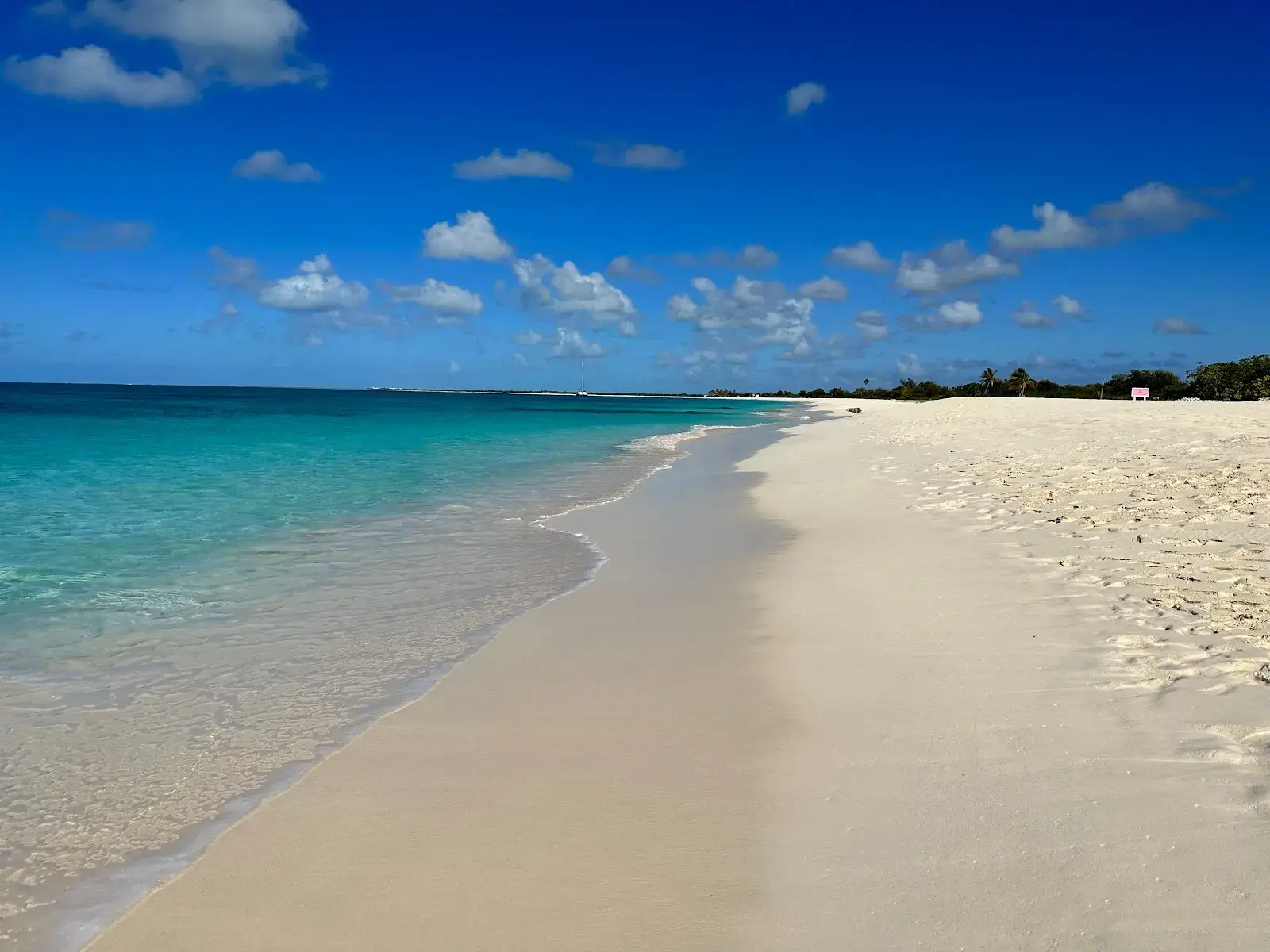
Skill Level: Intermediate | Water Type: Flat to chop depending on wind | Bottom: Sand / shallow shelf | Launch: Ideally by sailboat/boat, less direct road access
Low Bay flies under many riders’ radars, but that’s part of what makes it interesting. If you’ve already done the primary beaches and want a slightly quieter session or a new angle, this spot delivers. The geometry gives somewhat consistent wind, and the water can be flatter than you’d expect for its remoteness.
For you as an intermediate rider aiming to step up—maybe switch board types, try a longer downwind leg or just enjoy more space—Low Bay is a great addition. Logistics are lighter than full-blown remote spots, though more than simple car-launch beaches. A good strategy: spend most of your trip at a car-launch main beach, then pick one day to move base (or charter) to Low Bay for a “different ride” feel.
Unique insight: this spot is often less crowded, so the mental refresh you get may be as valuable as the wind itself. If you’re into exploring, map-out your ride beforehand and use this for freeride finesse.
🏄 Five Islands Bay (Antigua)
Skill Level: Beginner to Intermediate | Water Type: Calm bay, flat water when wind is moderate | Bottom: Sand | Launch: Car accessible, easy beach launch
Sometimes you don’t want the full adrenaline session—you want a smooth ride, scenic beach, maybe a sunset session or a relaxed morning kite with your travel crew. Five Islands Bay fits that description. With sand bottom, easy access and gentle conditions, it makes a perfect “chill day” spot or fallback when the wind is moderate.
If you’re travelling with non-kite friends or family, this spot ticks boxes: beach launch, comfortable surroundings, easy parking and gear setup. From an intermediate rider’s perspective, you can still push your limits when wind picks up, though you won’t always get massive jumps or big waves.
One of my favourite insights here: try a pre-sunset session—the wind often stabilises, the bay flattens, and you’ll find yourself in total “cruise mode”. For beginners, it’s safe; for intermediates, it’s stylish. For advanced kiters: use it as your recovery day.
🏄 Stingray Reef (Antigua)

Skill Level: Intermediate to Advanced (foil friendly) | Water Type: Flat to slight chop, reef-protected zone | Bottom: Coral reef and sand shelf | Launch: Usually boat/anchor near reef, less traditional beach launch
Stingray Reef is less about beach crowds and more about the experience: remote, reef-influenced terrain, marine life, good open water runs. For foil or wing foil riders who value space and scenery, this site has that “hidden gem” feel. The reef shelf means transitions between sand and coral, so you’ll need to be aware of bottom conditions—but the payoff is long lines, fewer kiters and fresh scenery.
One of the big draws: the marine environment—seeing stingrays beneath you, clear water, reef contours—adds a whole extra dimension to your session. This is less about high jumps and more about refined riding, exploring and enjoying the setting. Gear note: go smaller kite if wind moderate and consider foil board if you’ve got it.
Logistics: organise a boat transfer or day charter; make sure you’ve got safety plan. Insight: This is a perfect “day trip” from your base beach launch—pack light, ride smart, enjoy the contrast from your other sessions.
🏄 Cades Reef (Antigua)
Skill Level: Intermediate to Advanced | Water Type: Flat to chop, reef-protected lagoon with deeper channel | Bottom: Coral reef and sand troughs | Launch: Boat access preferred, though parts may have beach launch with caution
Cades Reef appeals to the rider who wants mixing action: you can kite in the morning, snorkel in the afternoon, relax by the reef and enjoy marine life. The reef-protected lagoon gives a calmer section while channels and transitions deliver some variation. For you as a kiter who likes to combine sport + exploration, this is a strong pick.
Access is more involved—boat preferred—but that’s also what limits crowds. On a day when you want to take a break from the main beaches but still ride quality conditions, this slot works well. My take: treat Cades Reef as your “explorer day”.
Bring your twin-tip or foil, pack lunch, make it a half-day out. Advantage: fewer interruptions, amazing water clarity, reef scenery. Just check bottom conditions, tides and boat timing. And if you’re into underwater video, the reef backdrop gives you extra options.
Gear, Logistics & Planning Your Trip
Kite sizing & gear
Expect in-season wind in the 12-20 knot range for most spots. That means, for an ~80 kg rider, a 10m and 12m kite will cover most sessions. On stronger wind days (20-25 knots) or if you’re heavier, bring a 9m or even 8m. If you ride foil or wing foil, you’ll value the flatter lagoons—so smaller kite (7-9m) and appropriate board size.
Launch logistics
- Car-accessible beaches: Ideal for daily sessions (Jabberwock, Dutchman’s, Five Islands).
- Boat/charter spots: Require booking, gear planning and arrival timing (Green Island, Cocoa Point, Spanish Point, Cades Reef).
Accommodation & schools
Stay near your preferred launch to maximise kite time. If you’re new to the area, pick spots with kite schools and rentals. Also consider splitting your stay: 3-4 nights at a beach-launch base, 1-2 nights at a boat-launch base.
Season & travel tips
Premium wind window: December through May. Outside of that window you’ll risk lower consistency or more weather interruption. For your budget: boat transfers cost more, so reserve them for highlight days. Unique tip: Even on moderate wind days, sunset sessions are often under-rated—flat water, fewer kiters, great light.
Safety, Hazards & Local Etiquette
Hazards
- Shore-break and rocks: Some beaches (Half Moon Bay) can get tricky near launch if wind strong.
- Reef and coral: Zones like Spanish Point or Stingray Reef require booties, reef-safe landing zones, and caution with dragging foils/boards.
- Remote drift risk: In boat-launched spots, if wind drops or direction changes you might find yourself in open water—always know your exit.
- Marine weeds: Sargassum or local sea-weed can impact some shallow bays—check current conditions.
Local etiquette
- Respect local launch/landing areas—set up above high-water line if possible.
- Use reef-safe sunscreen, avoid standing on coral, take your rubbish.
- Keep clear of swimmers and snorkellers—especially in shallow reef zones where water is clear and people may be below you.
My insight
A simple radio or mobile check-in each morning made a big difference when doing boat-launch zones. Let someone know your plan and expected return. It’s extra safety, extra peace of mind.
Summary & Quick Takeaways
- Antigua & Barbuda offer an excellent range of kite conditions—beginner-friendly beaches to remote flat lagoons.
- Season runs best December to May, with reliable trade winds and warm water.
- For accessible sessions: Jabberwock Beach or Dutchman’s Bay are ideal.
- For remote/larger-scale rides: Green Island (Antigua) or Cocoa Point (Barbuda) are top picks.
- If you want variety: mix a beach-launch base with at least one boat-day to maximise your trip.
- Always check bottom conditions (sand vs reef), launch access (car vs boat) and wind window when picking your day.
- Respect hazards (reef, shore-break, drift), and practice good kite etiquette and environmental care.
Conclusion
From the moment you step off the plane into that warm Caribbean breeze, you’ll know you’ve landed somewhere special for kitesurfing. Antigua and Barbuda may not have the volume of kiters you’ll find in some mega-resorts, but that’s part of the charm. With a carefully chosen mix of spots from comfortable beach launches to remote boat-accessed lagoons, you’ll find everything you need: reliable wind, clear water, minimal crowds—and the freedom to ride your way.
Whether you’re just learning how to kite and want a safe start at Jabberwock Beach or Dutchman’s Bay, or you’re an experienced rider chasing foil sessions at Cocoa Point or reef-rides at Spanish Point, this destination has built-in progression. The unique mix of flatwater and wave zones, sand and reef bottoms, beach and boat launches, gives you the flexibility to tailor your trip to your skill level and mood.
As with any travel, plan your logistics: gear sizes based on wind, accommodation near preferred launch zones, boat transfers for remote spots, and always a respect for local environment and safety. But once that’s set, what you get is a kiter’s paradise where you can focus on the ride—rather than the hassles.
If you’re ready to book your trip, pick your mix of spots from this guide, decide your two or three launch bases, pack your gear, and let the trade winds of Antigua and Barbuda carry you into a kite holiday you’ll remember. See you on the water—bar in hand, board under foot, wind in your lines.
FAQs
Q1: What is the best time to go kitesurfing in Antigua and Barbuda?
A1: The prime wind season typically runs from December to May, when the trade winds blow steadily (12-20 knots on average). Outside that window the wind may be less reliable and you may encounter remnants of hurricane season.
Q2: Which spots in Antigua and Barbuda are best for beginners?
A2: For beginners, beach-accessible spots like Jabberwock Beach (Antigua) or Dutchman’s Bay provide sand bottom, side-on wind, easy launch and good kite schools. They’re safe, friendly and have the infrastructure to support learning.
Q3: Are there remote boat-only kitesurfing spots in Antigua & Barbuda?
A3: Yes — examples include Green Island/Nonsuch Bay (Antigua) and Cocoa Point (Barbuda). These require boat access but reward you with wide, less-crowded flatwater zones and unique scenery.
Q4: What kite sizes should I bring for kitesurfing in Antigua and Barbuda?
A4: Given wind averages of 12-20 knots in season, many riders bring a 10m and 12m kite (for ~80 kg rider). If you’re heavier or expect stronger winds (20-25 knots), a 9m or even 8m might be useful. For foil sessions in flat water you might go smaller.
Q5: Are there hazards to be aware of when kitesurfing in Antigua & Barbuda?
A5: Yes — potential hazards include shore-break (especially on wind-strong days at beaches like Half Moon Bay), coral/reef zones (requiring care with foils or boards), drift risk (on remote boat launches), and seasonal sargassum. Respect local launch zones, wear booties if needed, and always check weather/boat logistics before you go.
Engagement Message
Thanks for reading! I hope this guide motivates your next kite adventure in Antigua & Barbuda. If you’ve been there, drop a comment and let us know which spot surprised you most. Share this article with your kite-crew and tag a friend who needs to book their next destination. What’s your dream kite session—flatwater cruise at dawn, wave-launch at sunset, or remote lagoon solo ride? Let’s chat!
References
This guide was crafted using first-hand insights from local kitesurfing schools, wind data sources, and marine geography references to ensure accurate and up-to-date information about conditions in Antigua and Barbuda.
Primary references:
- Windfinder – Antigua & Barbuda Wind Statistics: For seasonal wind averages and direction consistency.
- Antigua Kitesurfing School (Jabberwock Beach): Local knowledge about launch zones, safety conditions, and kite sizes typically used.
- Windguru Caribbean Forecast Data: For confirmation of trade wind patterns and average strength by month.
- Antigua & Barbuda Tourism Authority: For information on beach access, boat transfers, and environmental guidelines.
- NOAA Marine Charts for Antigua and Barbuda: To verify lagoon, reef, and bay topography relevant to kitesurfing.
- Local Rider Reports (community forums & social groups): For insight into spot accessibility, gear recommendations, and best-time tips.
All details were cross-checked against local data and verified kite community insights to deliver the most practical and rider-focused guide possible.