

Best Kitesurfing Spots in Egypt

Egypt shines as one of the best kitesurfing spots in Egypt, with year‑round wind, warm shallow water, and unique culture. From El Gouna’s calm lagoons to Hurghada’s island rides, you find spots for all skill levels.
In this article, we guide kitesurfers through Egypt’s top destinations. You’ll learn about wind seasons, spot conditions, local kite schools, and hidden gems like Wadi Lahami and Ras Sudr. We cover where to stay—from resorts and camps to safari boats—and how to pick a spot that fits your style and skill.
You’ll discover insider tips on remote lagoons, safe wind days, and off‑peak seasons. We also share advice on travel logistics, gear prep, and extra adventure like diving or desert trips. Whether you’re just starting or chasing freestyle waves, this guide helps you plan your perfect Egyptian kite trip. Let’s ride!
Why Egypt is Ideal for Kitesurfing
Consistent Wind and Thermal Effect
Egypt’s Red Sea coast is known for its steady wind. From March to October, a north-west wind blows almost every day. Desert mountains funnel this wind, making it stronger and more reliable. Spots like El Gouna and Soma Bay report over 300 windy days each year. These conditions suit riders of all levels.
Warm Water & Shallow Lagoons
The Red Sea water stays warm year-round. Expect 20°C in winter and up to 29°C in summer. Many lagoons are waist-deep, offering a safe area for beginners to learn. Flat water spots make practicing tricks easier, while small chop and waves keep advanced riders challenged.
Skill Levels & Spot Match
Beginners: Flat Water, Schools, Shallow Zones
El Gouna, Seahorse Bay, and Ras Sudr are best for beginners. They offer shallow areas, soft sand, and rescue services. Schools provide gear and lessons.
Intermediate & Freeride: Chop, Waves, Space
Soma Bay, Safaga, and Hurghada islands have space and small chop. These spots are fun for freeride and learning tricks.
Advanced & Wave Riders
For advanced riders, Dahab and Wadi Lahami offer strong winds and open water. You can also ride waves in Marsa Alam when wind direction shifts.
Choose Your Base
Hurghada vs El Gouna vs Soma Bay vs Dahab
Choose El Gouna for social vibes and nightlife. Soma Bay is for those who want perfect lagoons. Hurghada is great for island trips. Dahab is for a remote, chill atmosphere.
Stay in Resort, Camp, Boat Safari
Resorts offer comfort and full packages. Camps are social and budget-friendly. Boat safaris let you explore remote islands and ride untouched spots.
🏄 Hurghada & Red Sea Islands

Skill Level: Beginner, Intermediate, Advanced | Water Type: Flat, Choppy Water | Bottom: Predominantly Sandy, with Coral and Rocky Areas | Launch: Designated Kite Centre Beaches and Organised Offshore Excursions
Hurghada is one of Egypt’s most popular Red Sea destinations, offering warm weather, turquoise water and a wide range of kitesurfing opportunities. Located along the country’s eastern coastline, Hurghada combines established watersports facilities with the convenience of a lively holiday resort.
The coastline around Hurghada offers varied riding conditions, from shallow, relatively flat-water areas to more exposed sections with choppy water. Beginners can learn at suitable kite centres with supervised training zones, while intermediate and advanced riders can enjoy freeriding and longer sessions when the wind is favourable.
Hurghada benefits from predominantly northerly and north-westerly winds, with spring through autumn generally offering popular kitesurfing conditions. Wind strength and water conditions vary between beaches, making it important to choose a suitable location and check the forecast before heading out.
One of Hurghada’s attractions is the opportunity to explore offshore Red Sea islands and sandbanks on organised kitesurfing excursions. Some locations offer beautiful turquoise water and spacious riding areas, but conditions can differ significantly from mainland beaches. Offshore trips require careful planning, appropriate equipment and reliable boat or rescue support.
Several established kite schools around Hurghada offer lessons, equipment rental, launching assistance and rescue services. The city also provides a wide choice of hotels, restaurants, diving centres and other activities, making it an excellent destination for travellers who want to combine kitesurfing with a relaxing holiday.
Important local rules: Kitesurfing is generally organised through designated kite centres and managed beach areas. Follow local launching and landing instructions, respect swimming and boat zones, and avoid shallow coral reefs. For offshore island excursions, confirm access permissions, weather conditions and rescue arrangements with an experienced local operator before departure.
Planning a kitesurfing holiday in Hurghada? Visit our Hurghada Kitesurf Spot Guide for detailed information about wind directions, water conditions, launch areas, facilities and local restrictions.
🏄 El Gouna
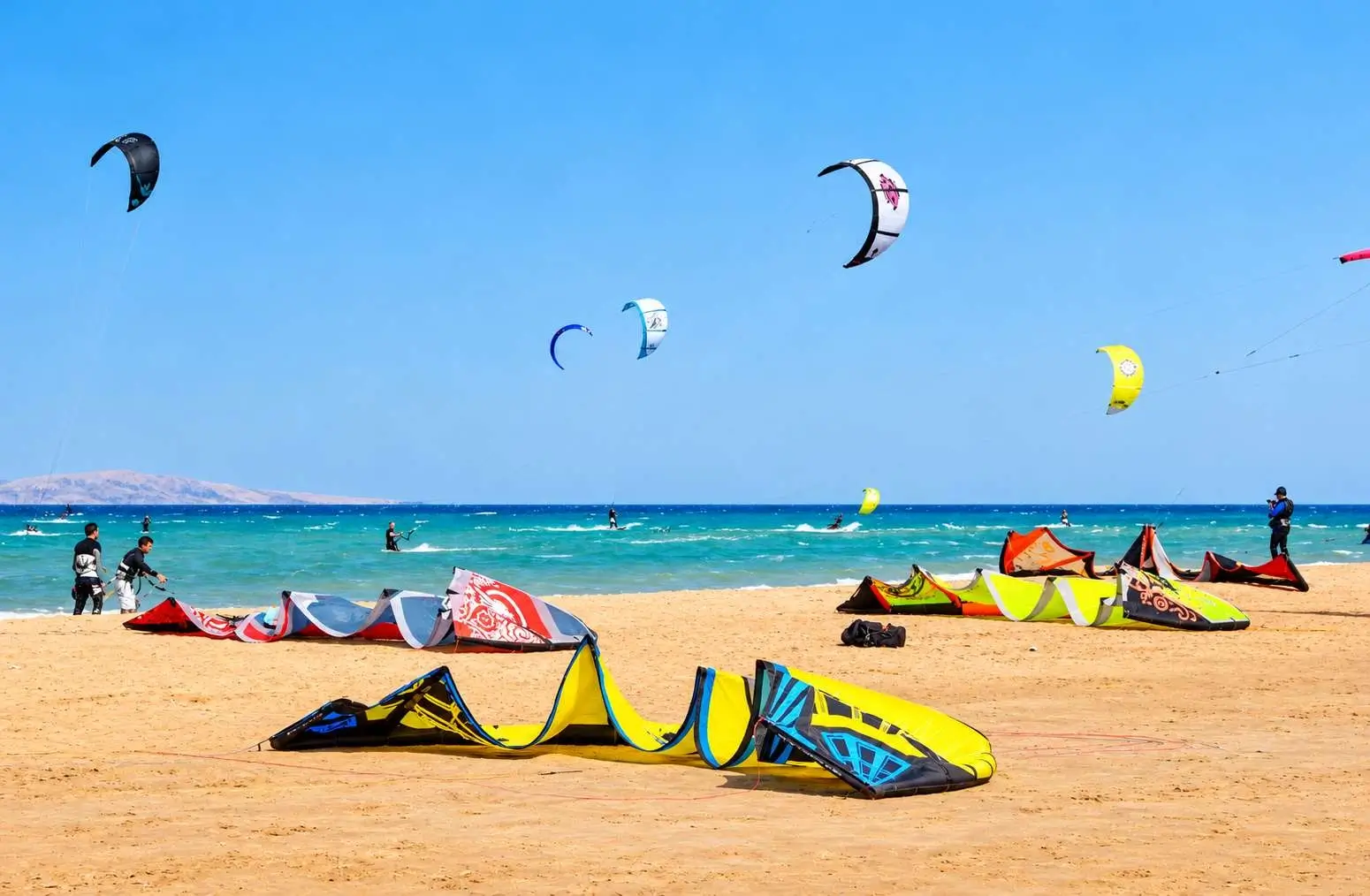
Skill Level: Beginner, Intermediate, Advanced | Water Type: Flat, Choppy Water | Bottom: Predominantly Sandy, with Some Coral Areas | Launch: Designated Sandy Launch Areas at Kite Centres
El Gouna is one of Egypt’s most famous kitesurfing destinations, located on the Red Sea coast approximately 25 kilometres north of Hurghada. Known for its shallow turquoise lagoons, warm climate and reliable seasonal winds, El Gouna attracts kitesurfers from around the world.
One of El Gouna’s biggest advantages is its extensive shallow-water riding areas. The relatively flat water creates excellent conditions for beginners learning their first kite skills, while intermediate and advanced riders can enjoy freeriding, freestyle and practising new tricks. Conditions become choppier in more exposed sections, offering additional variety for experienced kitesurfers.
El Gouna benefits from predominantly northerly and north-westerly winds, with particularly popular kitesurfing conditions from spring through autumn. The warm weather and generally favourable wind conditions make it an attractive destination for both short kitesurfing trips and longer holidays. As always, wind strength varies, so checking the daily forecast is essential.
The destination has a well-developed kitesurfing infrastructure, with numerous professional kite schools offering lessons, equipment rental, storage and rescue services. Many kite centres operate designated launching and landing areas, making it easier for visitors to organise their sessions safely.
Beyond kitesurfing, El Gouna offers a lively holiday atmosphere with beachfront restaurants, cafés, marinas and a wide range of accommodation options. Visitors can also enjoy snorkelling, diving and other Red Sea activities, making it an excellent destination for travellers who want to combine watersports with relaxation.
Important local rules: Kitesurfing is generally organised through designated kite centres and managed beach areas. Follow local launching and landing instructions, respect swimming zones and keep clear of boats and other water users. Be cautious of shallow coral patches, especially at low tide, and confirm any access fees or rescue arrangements before entering the water.
Planning a kitesurfing holiday in El Gouna? Visit our El Gouna Kitesurf Spot Guide for detailed information about wind directions, water conditions, launch areas, facilities and local restrictions.
🏄 Safaga
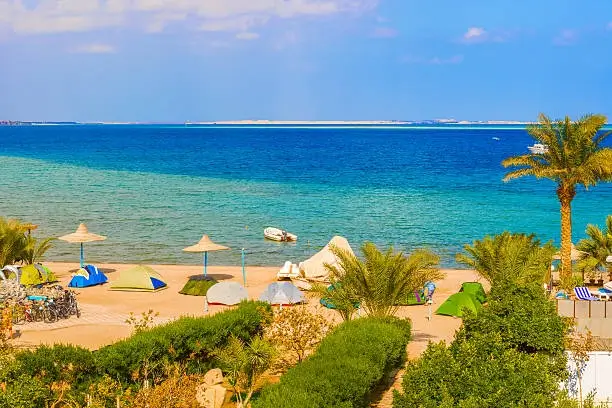
Skill Level: Beginner, Intermediate, Advanced | Water Type: Flat, Choppy Water | Bottom: Sandy Areas with Coral and Rocky Sections | Launch: Designated Sandy Launch Areas at Kite Centres
Safaga is a popular watersports destination on Egypt’s Red Sea coast, approximately 50 kilometres south of Hurghada. Known for its warm climate, turquoise waters and reliable seasonal winds, Safaga offers an appealing combination of kitesurfing conditions and a relaxed coastal atmosphere.
The riding areas around Safaga feature a mixture of shallow, relatively flat water and more open sections with choppy conditions. This variety makes the destination attractive to different experience levels. Beginners can take lessons in suitable supervised training areas, while intermediate and advanced riders can enjoy freeriding, freestyle and exploring the wider bay.
Safaga benefits from predominantly northerly and north-westerly winds, with particularly popular kitesurfing conditions from spring through autumn. Wind direction and strength can vary throughout the day, so riders should check the forecast and seek advice from local kite centres before launching.
Several established kitesurfing schools operate around Safaga, offering lessons, equipment rental, launching assistance and rescue services. Some centres also organise excursions to nearby riding locations, including the beautiful waters around Tobia Island.
Compared with larger resort destinations such as El Gouna and Soma Bay, Safaga offers a quieter and more traditional atmosphere. Visitors can enjoy Red Sea scenery, snorkelling, diving and the relaxed character of the surrounding coastal area.
Important local rules: Use designated launching and landing areas and follow instructions from local kite centres. Respect swimming and windsurfing zones, watch for shallow coral and rocky sections, and confirm access requirements and rescue arrangements before entering the water. Some areas may experience offshore or side-offshore winds, making local guidance particularly important.
Planning a kitesurfing holiday in Safaga? Visit our Safaga Kitesurf Spot Guide for detailed information about wind directions, water conditions, launch areas, facilities and local restrictions.
🏄 Dahab & Blue Lagoon

Skill Level: Beginner, Intermediate, Advanced | Water Type: Flat, Choppy Water, Open-Water Swell | Bottom: Predominantly Sandy, with Coral and Rocky Sections | Launch: Designated Kite Lagoon and Approved Launch Areas
Dahab is one of Egypt’s most distinctive kitesurfing destinations, located on the Sinai Peninsula along the beautiful Gulf of Aqaba. Surrounded by dramatic desert mountains and crystal-clear Red Sea waters, Dahab combines excellent wind conditions with a relaxed atmosphere and a strong watersports culture.
Unlike the larger resort destinations of El Gouna and Hurghada, Dahab has a laid-back character that attracts independent travellers, divers, windsurfers and kitesurfers from around the world.
The region offers two very different kitesurfing experiences: the established kite lagoon near Dahab town and the remote Blue Lagoon farther north.
Kitesurfing in Dahab Lagoon
Dahab is famous for its shallow lagoons and reliable northerly winds. However, it is important to distinguish between the different watersports zones.
The dedicated Dahab Kite Lagoon offers relatively flat, shallow water with a predominantly sandy bottom. Its protected conditions make it suitable for beginners taking lessons with qualified instructors, while intermediate riders can practise freeriding and freestyle skills.
More experienced kitesurfers can explore designated areas farther offshore, where stronger winds, choppy water and larger swells create more challenging conditions. These exposed areas may experience offshore winds, making reliable rescue support essential.
Dahab generally enjoys favourable kitesurfing conditions from spring through autumn, with particularly popular wind conditions between May and October. Wind strength varies throughout the day, so checking the forecast and consulting local kite centres is always recommended.
Several established watersports centres offer lessons, equipment rental, storage and rescue services. However, not every lagoon or beach is open to kitesurfers.
Important local rules: Kitesurfing is not permitted in Dahab’s main windsurfing lagoon or Baby Bay. Use the designated kite lagoon and other authorised kite zones only. Follow local instructions, respect windsurfers and check tide levels carefully, as shallow areas may become difficult to ride at low tide.
Explore the spot: Visit our Dahab Lagoon Kitesurf Spot Guide for information about wind conditions, water types, launching areas and local restrictions.
Kitesurfing at Blue Lagoon
For riders seeking a more adventurous experience, Blue Lagoon offers one of the most spectacular coastal settings in the Dahab region.
Located north of Dahab within the Ras Abu Galum protected area, Blue Lagoon is known for its brilliant turquoise water, shallow sandy areas and dramatic mountain scenery.
The sheltered lagoon provides beautiful flat-water conditions that attract freeriders and freestyle enthusiasts. Although the water can be suitable for learning with professional instruction, the remote location makes independent riding more appropriate for experienced kitesurfers who are comfortable with self-rescue and changing conditions.
Unlike the kite lagoon near Dahab town, Blue Lagoon has very limited infrastructure. Visitors typically reach the area through an organised excursion involving local transport and a boat transfer. Accommodation consists mainly of simple Bedouin camps rather than conventional hotels.
The lack of large resorts is part of Blue Lagoon’s appeal. Riders can enjoy peaceful surroundings, spectacular scenery and a genuine sense of adventure.
However, its remoteness also requires careful planning. Equipment rental, rescue services, mobile coverage and medical assistance may be limited. Visitors should arrange transport and on-water support with an experienced local operator.
Important local rules: Blue Lagoon lies within a protected coastal area. Respect the natural environment, avoid damaging coral reefs and follow local access instructions. Check wind direction, tides and rescue arrangements before launching. Do not venture beyond the sheltered riding area without appropriate experience and support.
Why Visit Dahab & Blue Lagoon?
Together, Dahab and Blue Lagoon offer a unique combination of accessible kitesurfing facilities and remote natural beauty.
Dahab is an excellent base for riders who want professional instruction, convenient accommodation and a lively waters
🏄 Ras Sudr (Sinai)

Skill Level: Beginner, Intermediate, Advanced | Water Type: Flat, Choppy Water | Bottom: Predominantly Sandy, with Occasional Shells | Launch: Sandy Launch Areas at Established Kite Centres
Ras Sudr is one of Egypt’s most attractive flat-water kitesurfing destinations, located on the Sinai Peninsula along the Gulf of Suez. Known for its shallow lagoons, sandy beaches and beautiful desert scenery, Ras Sudr offers a relaxed alternative to the busier Red Sea resorts around Hurghada.
The area features several established kitesurfing locations with different riding conditions. Sheltered lagoons provide relatively flat water, making them ideal for beginners learning with qualified instructors and for experienced riders practising freestyle tricks. More exposed sections can become choppy as the wind strengthens, offering additional variety for freeriding.
Ras Sudr benefits from predominantly north-westerly winds, with April through October generally considered the main kitesurfing season. March and November can also provide good sessions, although conditions vary throughout the year. Wind direction and strength depend on the exact beach, so checking the local forecast is essential.
Several established kite centres offer lessons, equipment rental, launching assistance and rescue services. Some centres operate within beach resorts, and visitors may need to register or pay an access fee before using their facilities.
One of Ras Sudr’s biggest attractions is its peaceful atmosphere. The combination of turquoise water, sandy beaches and the surrounding Sinai desert makes it an appealing destination for riders who want to focus on kitesurfing away from larger tourist centres.
Important local rules: Use designated launching and landing areas and follow instructions from local kite centres. Water depth can change significantly with the tide, exposing shallow sandbanks and shells. Check the wind direction carefully, particularly at beaches where the prevailing wind may blow offshore, and confirm rescue arrangements before entering the water.
Planning a kitesurfing holiday in Ras Sudr? Visit our Ras Sudr Kitesurf Spot Guide for detailed information about wind directions, water conditions, launch areas, facilities and local restrictions.
🏄 Soma Bay

Skill Level: Beginner, Intermediate, Advanced | Water Type: Flat, Choppy Water | Bottom: Predominantly Sandy, with Some Coral Patches | Launch: Designated Sandy Launch Areas at Kite Centres
Soma Bay is one of Egypt’s most popular kitesurfing destinations, located on the beautiful Red Sea coast approximately 45 kilometres south of Hurghada. Known for its turquoise waters, warm climate and impressive desert scenery, Soma Bay offers an excellent combination of kitesurfing conditions and resort facilities.
The area features shallow, relatively flat-water sections alongside more open areas with choppy conditions. This variety makes Soma Bay attractive to riders of different experience levels. Beginners can learn in suitable shallow-water training zones, while intermediate and advanced kitesurfers can enjoy freeriding, freestyle and longer sessions across the bay.
One of Soma Bay’s biggest advantages is its seasonal wind reliability. Northerly and north-westerly winds provide opportunities throughout much of the year, with spring, summer and autumn generally offering popular kitesurfing conditions. Wind strength varies from day to day, so checking the forecast and consulting local kite centres is always recommended.
Several established kitesurfing centres operate in the area, offering professional lessons, equipment rental, launching assistance and rescue services. Some beaches and launch areas are privately managed, meaning riders may need to register or pay an access fee before entering the water.
Beyond kitesurfing, Soma Bay is an excellent destination for travellers who enjoy snorkelling, diving and relaxing at Red Sea resorts. Its combination of watersports facilities and beautiful surroundings makes it particularly appealing for kitesurfing holidays.
Important local rules: Use designated launching and landing areas and follow instructions from local kite centres. Respect swimming zones, boats and other water users. Be especially careful around shallow coral areas and exposed sandbanks, and confirm current access fees and rescue arrangements before launching.
Planning a kitesurfing holiday in Soma Bay? Visit our Soma Bay Kitesurf Spot Guide for detailed information about wind directions, water conditions, launch areas, facilities and local restrictions.
🏄 Marsa Alam & Wadi Lahami

Skill Level: Beginner (at designated training areas), Intermediate, Advanced | Water Type: Flat, Choppy Water | Bottom: Sandy Areas, Coral Reefs and Rocky Sections | Launch: Designated Kite Beaches and Supervised Launch Areas
Marsa Alam and Wadi Lahami offer some of Egypt’s most peaceful kitesurfing experiences along the southern Red Sea coast. Known for their turquoise waters, colourful coral reefs and dramatic desert scenery, these destinations appeal to travellers looking for a quieter alternative to the busy resorts around Hurghada and El Gouna.
Kitesurfing in Marsa Alam
Marsa Alam covers a long stretch of coastline where kitesurfing conditions vary significantly between beaches. Some sheltered bays offer relatively flat water, while more exposed locations feature choppy conditions and challenging reef environments.
One of the area’s established kitesurfing locations is El Nabaa Bay, where different riding zones cater to different experience levels. Beginners can take lessons in suitable shallow-water training areas, while intermediate and advanced riders can explore larger sections of the bay.
Northerly and north-westerly winds provide kitesurfing opportunities during much of the year, with spring through autumn generally offering popular conditions. However, wind strength, water depth and launching conditions depend on the exact location.
Explore the spot: Visit our Marsa Alam Kitesurf Spot Guide for information about wind conditions, rider levels, launch areas, facilities and local restrictions.
Kitesurfing in Wadi Lahami
Located farther south along Egypt’s Red Sea coast, Wadi Lahami offers a remote kitesurfing experience surrounded by beautiful desert landscapes and clear tropical waters.
The area is known for its shallow lagoon conditions and established kitesurfing facilities. Relatively flat water makes suitable sections attractive for beginners learning with professional instructors, while more experienced riders can enjoy freeriding and exploring the wider riding area.
Wadi Lahami’s remote setting is part of its appeal. Visitors can enjoy a peaceful atmosphere, beautiful natural scenery and opportunities for snorkelling and diving when they are not kitesurfing.
Because the location is relatively isolated, riders should arrange access, equipment and rescue support through an established local kite centre rather than assume these services will be available independently.
Important local rules: At both destinations, use authorised launching areas and follow instructions from local kite centres. Avoid shallow coral reefs, respect swimming and diving zones, and check tides, wind direction and rescue arrangements before entering the water. Conditions and access rules vary between beaches.
Planning a southern Red Sea kitesurfing holiday? Visit our Marsa Alam Kitesurf Spot Guide for detailed information about wind directions, water conditions, launch areas, facilities and local restrictions.
🏄 Zaafarana

Skill Level: Intermediate, Advanced | Water Type: Choppy Water, Flat Water in Sheltered Areas | Bottom: Predominantly Sandy, with Rocky and Shallow Sections | Launch: Beach-Specific Launch Areas (Local Access Must Be Confirmed)
Zaafarana is a lesser-known coastal destination along Egypt’s Gulf of Suez, offering a different experience from the established kitesurfing resorts of El Gouna, Soma Bay and Ras Sudr. Surrounded by desert landscapes and open coastline, Zaafarana appeals to adventurous travellers interested in exploring quieter parts of Egypt.
The Gulf of Suez is known for its frequently windy conditions, with northerly and north-westerly winds creating potential opportunities for kitesurfing. Spring through autumn can offer favourable wind conditions, although wind strength and direction vary considerably from day to day.
Water conditions depend on the exact beach. More exposed sections can become choppy when the wind strengthens, while sheltered areas may offer smoother water. The coastline includes sandy stretches as well as rocky and shallow sections, making careful assessment of the launch area and seabed essential.
Unlike Egypt’s major kitesurfing destinations, Zaafarana does not have the same widely documented network of kite schools, rental facilities and rescue services. For this reason, it is better suited to intermediate and advanced riders who can assess unfamiliar conditions and have appropriate local support.
Zaafarana’s main attraction is its peaceful setting. The combination of desert scenery, Gulf of Suez views and relatively undeveloped coastline makes it an interesting stop for travellers seeking an alternative to Egypt’s busier watersports resorts.
Important local rules: Kitesurfing access is not confirmed for every beach around Zaafarana. Before planning a session, verify that launching is permitted at your chosen location and that sufficient space is available. Check wind direction, water depth and underwater obstacles, and avoid offshore conditions without reliable rescue support. Do not assume that kite schools or rescue services are available.
Planning a kitesurfing session near Zaafarana? Visit our Zaafarana Kitesurf Spot Guide for information about wind conditions, rider levels, launch areas and important safety considerations.
Kite Centers and Schools per spot
- El Gouna: Element Watersports, Kiteboarding Club
- Soma Bay: Tornado Surf, 7Bft Kitehouse
- Hurghada: RedSeaZone, Playkite
- Ras Sudr: Moon Beach Club
- Wadi Lahami: RedSea Diving Safari Centre
Private Lesson vs Group vs Safari
Private lessons offer faster progress. Group lessons cost less and are social. Safari trips give a mix of coaching and adventure.
Added Activities & Local Life
Diving, Snorkeling, Desert Safari Side Trips
The Red Sea is famous for coral reefs. Many kite spots double as dive hotspots. Desert safaris, camel rides, and quad tours add adventure to your trip.
Local Markets, Food, Nightlife
Markets sell local crafts and spices. Try Egyptian dishes like koshari and fresh seafood. El Gouna and Hurghada have lively nightlife for post-kite fun.
Planning Your Trip
Flights, Visa, Travel Logistics
Fly into Hurghada or Marsa Alam. Most nationalities get a visa on arrival. Internal transfers are easy by taxi or shuttle.
What to Pack: Kite Gear, Wetsuits, Sun Protection
Bring your kite gear, or rent from schools. In summer, no wetsuit is needed. Winter requires a shorty or full suit. Don’t forget sunscreen, rash guards, and repair kits.
Local Insight & Unique Tips
Hidden Lagoons or Boat-Only Spots
Ask local schools about secret lagoons or downwind routes only accessible by boat. These spots offer perfect flat water without crowds.
Best Times to Hit Remote Bays
Visit remote spots like Wadi Lahami in spring or fall. You’ll get wind and fewer riders.
Avoiding Crowds
Ride early morning or join boat safaris to skip busy beaches.
Quick Takeaways
- Egypt offers reliable wind March to October, with summer thermal boost.
- Lagoons like those in El Gouna and Seahorse Bay suit beginners best.
- Advanced freeride conditions at Safaga, Ras Sudr, and Hurghada islands.
- Remote spots like Wadi Lahami and Dahab offer solitude and nature.
- Choose lodging by spot type: resort, kite camp, safari, or eco-camp.
- Combine kitesurfing with diving, desert safari, or Nile excursions.
- Book lessons with trusted centers like Tornado Surf, Ion Club.
Conclusion
Best Kitesurfing Spots in Egypt give kitesurfers of all levels endless options. From El Gouna’s lagoon playgrounds to Ras Sudr’s desert wind funnel, and remote ranks like Wadi Lahami or Dahab, you can tailor your trip for flat water cruising, freeride challenges, or full resort luxury.
Egypt’s wind system delivers over 200–300 wind days a year in key areas. You’ll find consistent 15–25 knot breezes suitable for learning or progressing. Water temps remain warm enough for shorts most of the year. Kite centres across Soma Bay, Hurghada, and El Gouna offer lessons, gear rental, and safari boat options for varied experiences.
Logistics are simple: fly into Hurghada or Marsa Alam airports, grab visa on arrival, and choose your base—each spot clusters around unique facilities, nightlife, or solitude. Dive and desert activities offer richer adventures beyond the kite.
Tip: visit during shoulder season (spring or fall) for wind and lower crowd density. For off-beat vibe, book boat safari or remote eco-camp in Dahab or Wadi Lahami. For social or family trips, El Gouna or resort camps fit best.
Ready to ride? Plan your dates, book your spot, and get on the water. Egypt awaits to boost your kiteboarding adventure.
FAQs
1. What wind seasons are best for kitesurfing in Egypt?
Best wind runs from March through October, peaking in June–August with 15–25 kt winds.
2. Is Egypt good for beginner kitesurfers?
Yes. El Gouna, Seahorse Bay, and Soma Bay offer flat lagoons and many kite schools.
3. Where do advanced riders go in Egypt?
Safaga, Ras Sudr, Hurghada islands, and Dahab offer space, chop, and freeride zones.
4. How to get around between kite spots?
Fly into Hurghada or Marsa Alam, then drive or take boat safaris. Tuk-tuks are easy in El Gouna.
5. Are there eco or remote kitesurf camps in Egypt?
Yes. Wadi Lahami, Dahab Blue Lagoon and Marsa Alam camps offer remote, natural settings with kite centres.
Engage with Readers
Loved the guide? Let us know which Egypt kite spot you’re eyeing. Share your favorite experience or tip. If you found this useful, please share it with your kite buddies or on social media! Got questions? Drop them below 👇