

Best Kitesurfing Spots at Martinique

Martinique—the “Island of Flowers”—isn’t just a Caribbean paradise for rum and beaches. For kitesurfers, this French overseas territory is one of the most underrated gems in the Lesser Antilles. With consistent trade winds from December to June, warm turquoise lagoons, and spots ranging from butter-flat water to challenging wave zones, the best kitesurfing spots in Martinique offer something for every rider, whether you’re just starting out or throwing megaloop kiteloops.
What makes Martinique special? Unlike some Caribbean destinations that get overhyped and overcrowded, Martinique maintains an authentic vibe. You’ll find quiet lagoons where you might be one of only a handful of kiters on the water, protected shallow areas perfect for learning, and a unique blend of French-Caribbean culture that means excellent food and friendly locals. This guide breaks down everything you need to know about the island’s top kitesurfing locations, wind conditions, best seasons, and insider tips to make your trip epic.
Quick Takeaways
- Pointe Faula (Le Vauclin) is Martinique’s most famous kite spot with flat water and consistent winds
- Best kitesurfing season: December through June with peak conditions January to May
- Wind conditions: Trade winds blow E-NE at 15-25 knots, ideal quiver is 9-12m kites
- Water temperature: A balmy 25-30°C year-round—no wetsuit needed
- Cap Chevalier and Anse Michel offer stunning scenery and less crowded conditions
- Tartane and Anse l’Etang provide excellent spots for intermediate to advanced riders
- Multiple kite schools across the island offer lessons, rentals, and boat access to remote spots
Understanding Martinique’s Kitesurfing Geography
The Atlantic Coast Advantage
Martinique’s Atlantic coast, especially the southern section, is the prime territory for kitesurfing on the island. The geography here is perfect: the island sits in the path of the reliable northeast trade winds, and the southeastern coast features numerous protected lagoons formed by coral reefs. These natural barriers create flat-water paradises inside while breaking down the Atlantic swell.
The island measures roughly 60km by 30km, which means you’re never more than a 45-minute drive from your accommodation to any kite spot. The north features volcanic landscapes with black sand beaches and the imposing Montagne Pelée, while the south transitions to flatter terrain with coconut groves and those postcard-perfect white sand beaches framed by turquoise water.
Why the Southeast Dominates
Most of the island’s premier kitesurfing locations cluster around the southeastern coast between Le Vauclin and Sainte-Anne. This isn’t coincidental. The area experiences particularly strong winds due to a cape effect between the Martinique archipelago and nearby Dominica. The channel between the islands essentially funnels and accelerates the trade winds, creating more consistent and slightly stronger conditions than you’d find on other parts of the coast.
The southeast also benefits from extensive coral reef systems that create natural lagoons. These protected areas offer flat water when the ocean outside might be churning with 2-meter swells. For kiters, this means you can practice tricks, work on transitions, or just cruise without dealing with chop and waves.
Wind and Weather: When to Visit
The Trade Wind Season
Martinique experiences trade winds from December through June, and this is when you want to plan your trip. These aren’t the gusty, unpredictable winds you might deal with in some locations. Trade winds are remarkably steady, blowing from the east-northeast at 15-25 knots most days during the season.
The optimal window is January through May, with December and June being slightly less reliable as the wind season starts and ends. Don’t expect every single day to be windy—you’ll encounter some days with light or no wind, but these calm periods rarely last more than a day or two.
Kite Selection and Gear
For Martinique, pack a two-kite quiver centered around 10-12m. The ideal quiver is 10/12m or 11/14m, depending on your body weight and riding style. I’d recommend bringing:
- 9m or 10m for the windier days (20-25+ knots)
- 12m or 14m for lighter sessions (15-20 knots)
Twin tips work great for the flat-water lagoons, but if you’re planning to explore spots with shore break or venture outside the reefs, a directional board adds versatility. And here’s the best part: water temperatures stay between 25-30°C, so you can leave the wetsuit at home. Board shorts or a bikini, reef booties, and lots of sunscreen are all you need.
Off-Season Considerations
July through November is hurricane season in the Caribbean. During these months, wind becomes unpredictable, rain increases significantly, and you risk having your trip disrupted by tropical weather systems. The trade winds essentially disappear, replaced by variable breezes that aren’t reliable for kitesurfing. Save your vacation days for the December-June window.
🏄 Pointe Faula (Le Vauclin)

Skill Level: Beginner, Intermediate, Advanced | Water Type: Flat, Choppy | Bottom: Sand and Seagrass | Launch: Designated Shoreline Kite Area
Pointe Faula, near Le Vauclin on Martinique’s Atlantic coast, is one of the island’s best-known kitesurfing spots. Its shallow lagoon and reliable easterly trade winds make it particularly popular with kite schools and freeriders.
The water is generally shallow, with relatively flat sections and some chop when the wind increases. These conditions can be excellent for learning and improving your skills, although water depth, wind strength and crowded areas should always be considered.
Beginners can enjoy the spot with professional instruction, while intermediate and advanced riders have plenty of opportunities for freeriding and practising tricks.
Best Wind Season: December to May, when the northeast and easterly trade winds are generally most consistent.
Facilities: Parking and kite schools are available in the beach area. Other services may vary by season.
Important Local Rules: Launch and ride only within the designated kitesurfing areas. Respect swimming zones, other water users and environmentally sensitive shallow-water habitats.
Planning a kitesurfing session at Pointe Faula? Check our Pointe Faula Kitesurf Spot Guide for wind conditions, facilities, launch information and local restrictions.
🏄 Cap Chevalier (Anse Michel)

Skill Level: Beginner, Intermediate, Advanced | Water Type: Flat, Choppy | Bottom: Sand, Seagrass and Occasional Coral | Launch: Designated Beach Launch Area
Cap Chevalier, particularly the beautiful Anse Michel beach, is another established kitesurfing destination on Martinique’s southeastern coast.
Surrounded by palm trees and turquoise Caribbean waters, Anse Michel offers an attractive combination of tropical scenery and trade-wind conditions. The surrounding reef provides some protection, creating relatively flat water in sheltered areas, although choppier conditions can develop when the wind strengthens.
The spot is suitable for different rider levels when conditions are appropriate. Beginners should take lessons with a local kite school, while intermediate and advanced riders can enjoy freeriding and exploring the designated kite area.
Best Wind Season: December to May, with generally reliable easterly trade winds.
Facilities: Parking and kite instruction are available around Anse Michel. Availability of other facilities should be checked locally.
Important Local Rules: Respect designated kite-launch zones, swimmers and other beach visitors. Avoid shallow coral areas and sensitive marine habitats. Always confirm current beach regulations before launching.
Planning to kitesurf at Anse Michel? Visit our Cap Chevalier / Anse Michel Kitesurf Spot Guide for wind conditions, facilities, launch details and local rules.
🏄 Baie des Anglais

Skill Level: Beginner, Intermediate (With Organised Instruction) | Water Type: Flat, Choppy | Bottom: Sand and Seagrass | Launch: Boat-Assisted Access Arranged Through a Local Operator
Baie des Anglais is a secluded kitesurfing location on Martinique’s southern coast, known for its peaceful surroundings and beautiful shallow waters.
Unlike the island’s more accessible kite beaches, Baie des Anglais is primarily associated with organised kitesurfing lessons and excursions. Access to the riding area is generally arranged through a local operator, often involving boat transport.
The sheltered waters can provide excellent learning conditions when the wind and water depth are suitable. However, this is not a conventional public kite beach where independent riders should expect to arrive and launch without assistance.
Beginners can enjoy the location as part of an organised lesson, while intermediate riders may appreciate its quieter atmosphere and relatively flat water.
Best Wind Season: December to May, during Martinique’s main trade-wind season.
Facilities: No permanent facilities are confirmed directly at the riding location. Equipment, transport and safety support depend on the operator organising the session.
Important Local Rules: Arrange access and kitesurfing activities through a knowledgeable local operator. Respect marine conservation requirements, avoid sensitive seagrass and mangrove habitats, and confirm the permitted riding area before entering the water.
Interested in kitesurfing at Baie des Anglais? Read our Baie des Anglais Kitesurf Spot Guide for access information, wind conditions and safety considerations.
🏄 Pointe du Bout / Baie de Fort-de-France
Skill Level: Intermediate, Advanced (Provisional) | Water Type: Choppy | Bottom: Variable — Exact Riding Area Not Verified | Launch: No Confirmed Public Kite Launch
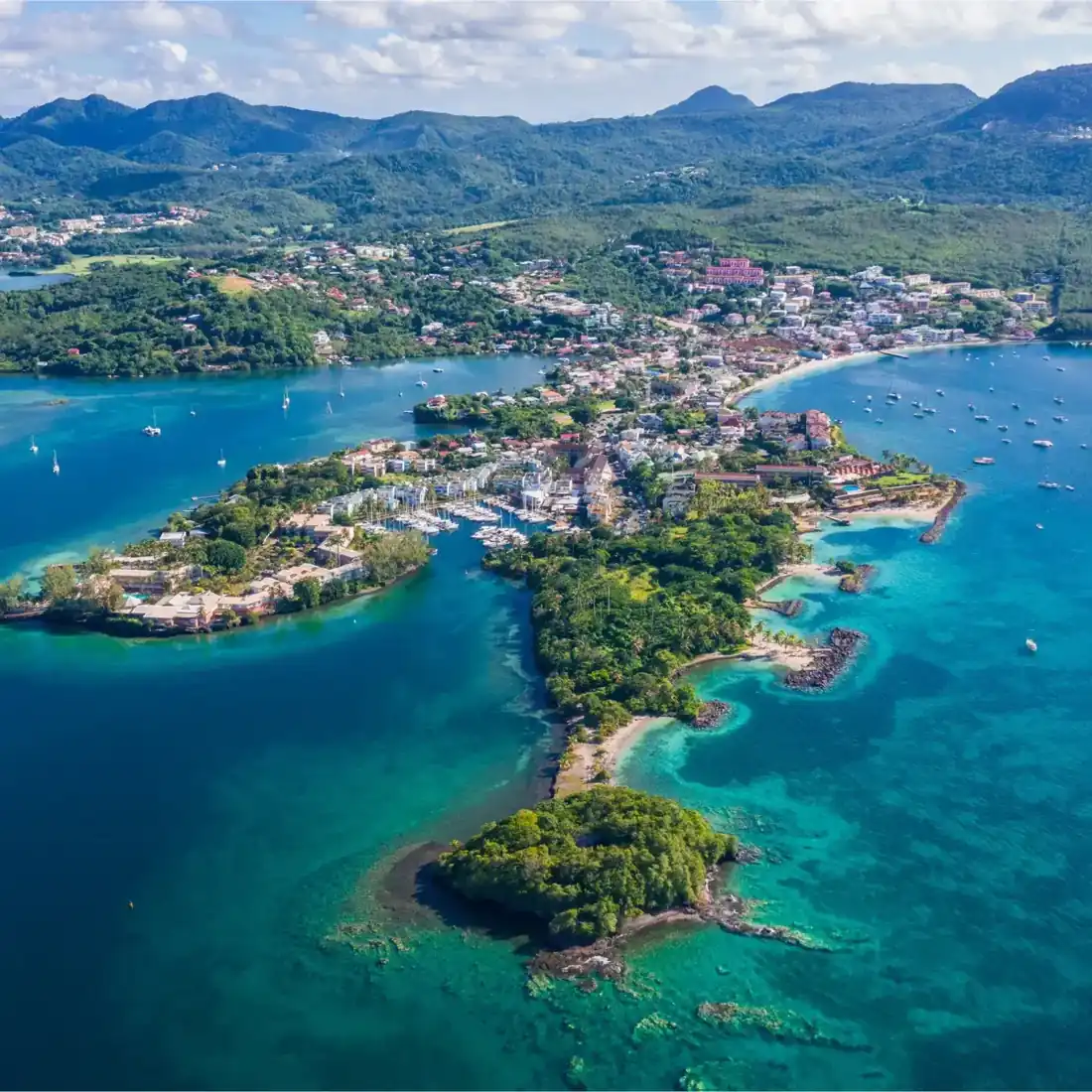
Pointe du Bout is located on Martinique’s western coast, overlooking the beautiful Baie de Fort-de-France.
Although kitesurfing has been mentioned in connection with the wider bay, the exact permitted launching locations around Pointe du Bout have not been reliably established.
Unlike established kite destinations such as Pointe Faula and Anse Michel, this area should therefore be considered a potential specialist riding location rather than a confirmed public kitesurfing beach.
The bay is also used by boats, swimmers and other watersports enthusiasts, making local knowledge particularly important. Wind conditions, water depth and available launching space vary depending on the exact location.
Experienced riders interested in exploring the area should first contact a knowledgeable local operator or relevant authority to confirm whether kitesurfing is permitted at a specific launch.
Best Wind Season: December to May is the general trade-wind season, although suitable conditions at a particular launch have not been verified.
Facilities: No facilities have been confirmed at a designated kite launch. Restaurants, accommodation and other tourist services in the surrounding area should not be confused with facilities at an established kite spot.
Important Local Rules: Do not assume that launching is permitted from Anse Mitan, Pointe du Bout or other nearby beaches. Confirm an authorised launch, navigation restrictions and local safety arrangements before planning a session.
Exploring kitesurfing opportunities around Fort-de-France? Our Pointe du Bout / Baie de Fort-de-France Spot Finder Guide provides further information about the area and its access considerations.
Kitesurfing Conditions by Month
Understanding monthly wind patterns helps you time your Martinique trip perfectly:
December – Season Startup
Wind: 12-20 knots | Consistency: 60-70%
The trade wind season begins, but conditions can still be variable. Early December especially may have calm days between windy periods. Budget travelers can find deals during this shoulder season.
January – Reliable Conditions Arrive
Wind: 15-22 knots | Consistency: 75-85%
Conditions stabilize nicely in January. You’re getting into the heart of the season with reliable wind most days. Water and air temperatures are perfect—not the peak heat of summer but comfortably warm.
February – Prime Time
Wind: 16-24 knots | Consistency: 80-90%
February delivers some of the best kitesurfing of the year. Trade winds blow consistently, conditions are dialed, and you’ll have multiple spots working simultaneously. This is peak season, so expect higher accommodation prices and more kiters on the water.
March – Excellent All-Around
Wind: 16-24 knots | Consistency: 80-90%
Similar to February with outstanding consistency. March is my personal favorite month—wind is reliable, the season crowds thin slightly after February school holidays end, and the ocean is warm.
April – Still Going Strong
Wind: 15-22 knots | Consistency: 75-85%
Conditions remain excellent through April. You might encounter slightly more variable days than February-March, but overall it’s still prime kitesurfing season. Prices may drop slightly as peak season winds down.
May – End of Season
Wind: 14-20 knots | Consistency: 65-75%
The trade winds start weakening in May. You’ll still score good days, but expect more periods of light or no wind. This can work well for riders who want to balance kitesurfing with other island activities.
June – Season’s End
Wind: 12-18 knots | Consistency: 50-60%
Wind becomes increasingly unreliable as hurricane season approaches. Some years offer rideable conditions through June, others see the wind die early. Book this month only if you’re flexible and okay with potentially limited kiting.
July-November – Off Season
Wind: Variable, often calm | Hurricane risk
Skip these months for kitesurfing. The reliable trade winds disappear, rain increases, and hurricane risk makes trip planning risky.
Kite Schools and Lessons
Whether you’re learning from scratch or want to upgrade your skills, Martinique has quality instruction available:
For Beginners
Kite Sensation at Pointe Faula offers comprehensive beginner courses in the perfect learning environment. Instructors are IKO certified, equipment is well-maintained, and the shallow lagoon is ideal for first lessons. Expect to spend 3-4 days of lessons to become independent on the board.
Alizé Fun at Anse Michel provides instruction plus the option for boat trips to less crowded spots once you’ve got basics down. Their instructors speak French and English, understanding that clear communication is crucial when learning kitesurfing.
For Intermediate Progression
If you’re past the beginner stage and want coaching on jumps, transitions, or specific tricks, several schools offer private lessons tailored to your goals. These sessions focus on video analysis, safety refinement, and skill progression rather than basic instruction.
Equipment Rental
Most kite schools rent gear to independent riders. Daily rental rates are reasonable, and it’s worth considering if you’re trying to save on baggage fees by not bringing your own equipment. Rental packages typically include kite, bar, board, harness, and sometimes a wetsuit vest for protection.
Pro tip: If renting, inspect everything carefully before taking it out. Check line wear, kite condition, and board dings. Reputable schools maintain their rental fleet well, but it’s worth a thorough check to avoid mid-session equipment failures.
Safety Considerations and Local Rules
Martinique is generally safe for kitesurfing, but understanding local conditions and regulations keeps you out of trouble:
Understanding Reef Hazards
Beginners can be challenged by rocks and coral, not just wind conditions. The coral reefs that create perfect lagoons can also cause serious injuries if you crash onto them. Key safety points:
- Reef booties are essential – The 3-4mm neoprene protects your feet from coral cuts and sea urchins
- Learn self-rescue before riding reef spots – Know how to safely get yourself and gear back to shore without standing on coral
- Respect the locals’ advice – If a kite school instructor or local rider tells you to avoid an area, listen
Weather Awareness
Tropical weather can change quickly. Watch for:
- Squalls – Brief intense rainstorms that can bring sudden wind shifts and reduced visibility
- Lightning – If you see lightning, get off the water immediately
- Changing tides – Some spots work better on certain tides; ask locals about timing
Right of Way and Beach Etiquette
Standard kitesurfing right-of-way rules apply:
- Rider on starboard tack (right hand forward) has priority
- Upwind rider gives way to downwind rider
- Rider entering water yields to those already riding
- Give swimmers and boats wide berth
- Launch and land away from beach areas with people
Emergency Services
Martinique has good medical facilities, especially around Fort-de-France. However, kite-specific rescue services aren’t as developed as some destinations. Mastering self-rescue is essential before venturing into more remote or challenging areas.
Keep these numbers saved:
- Emergency: 112
- Marine rescue: 196
- Local hospital in Fort-de-France: +596 596 55 20 00
Beyond Kitesurfing
Martinique offers incredible experiences beyond the water:
French-Caribbean Cuisine
The island’s food scene blends French technique with Caribbean ingredients and African influences. Don’t miss:
- Accras – Salt cod fritters, crispy outside and fluffy inside, perfect with ti-punch
- Colombo – Curry-spiced dishes (chicken, goat, or fish) with complex flavors
- Fresh seafood – Grilled mahi-mahi, red snapper, and lobster caught locally
- Bokit – Fried bread sandwiches stuffed with meat, cheese, and vegetables
- Ti-punch – The local rum cocktail (agricole rum, lime, cane syrup)
Exploring the Island
On down days or rest days, explore beyond the kite beaches:
Mount Pelée – The volcano that destroyed Saint-Pierre in 1902. Hiking to the summit offers spectacular views and passes through cloud forest ecosystems.
Les Gorges de la Falaise – River canyoning and hiking through lush tropical jungle. It’s a cool escape from beach heat.
Saint-Pierre – The former capital, known as the “Little Paris of the Caribbean” before the volcano erupted. Fascinating ruins and history.
Rum Distilleries – Martinique produces world-class agricole rum (made from sugarcane juice rather than molasses). Tours and tastings at distilleries like Clement, Neisson, or HSE are educational and delicious.
Local Markets – Fort-de-France’s market bursts with tropical fruits, spices, handicrafts, and the energy of daily Caribbean life.
Where to Stay
Your base location significantly impacts your Martinique kitesurfing experience:
Le Vauclin – Heart of Kite Country
Staying in or near Le Vauclin puts you within minutes of Pointe Faula and a short drive from Cap Chevalier and other southeastern spots. The town itself is authentically Caribbean—fishing boats, local restaurants, and not heavily touristed. Accommodation ranges from simple guesthouses to comfortable vacation rentals.
Best for: Serious kiters who want maximum water time and don’t need resort amenities.
Sainte-Anne – Beach Town Convenience
This southern town offers more infrastructure than Le Vauclin while still providing good access to multiple kite spots. You’ll find restaurants, grocery stores, car rental agencies, and more developed beaches. The town has tourist traffic but maintains Caribbean character.
Best for: Mixed groups with kiters and non-kiters, families, or those wanting more activity variety.
François – Authentic Village Vibes
Between Le Vauclin and Sainte-Anne, François is a working fishing village with real local culture. Limited tourist development means lower prices and authentic experiences. Accommodations tend toward local guesthouses and small hotels.
Best for: Budget travelers and cultural explorers who want authentic Caribbean life.
Les Trois-Îlets – Resort Area
If you’re booking a package deal or want full resort amenities (pools, spas, organized activities), this western coast area has the most options. However, you’ll spend time driving to the best kite spots.
Best for: First-time Caribbean visitors who want resort comfort and aren’t focused exclusively on kitesurfing.
Vacation Rentals
Airbnb and VRBO offer numerous options across the island. Renting a house or apartment with a kitchen saves money on meals and provides more authentic living. Many rentals cater specifically to kitesurfers with secure gear storage and outdoor showers for rinsing equipment.
Getting Around
Renting a Car
A rental car is essential for maximizing your Martinique kitesurfing trip. Public transportation exists but doesn’t serve many kite spots conveniently. Roads are well-maintained, driving is on the right side, and navigation is straightforward.
Booking Tips:
- Reserve in advance during peak season (February-March)
- Smaller cars handle the winding coastal roads better than large SUVs
- Ensure your rental has adequate cargo space for kite gear
- Check if your credit card covers rental car insurance in international territories
Driving Considerations
- Speed limits are posted in km/h
- Coastal roads can be winding with limited overtaking opportunities
- Mountain roads to northern attractions require careful driving
- Gas stations aren’t everywhere—fill up in larger towns
Getting to the Island
Martinique Aimé Césaire International Airport (FDF) in Fort-de-France receives flights from:
- France – Direct flights from Paris Orly (8-9 hours)
- North America – Connections through Miami, San Juan, or other Caribbean hubs
- Caribbean – Inter-island flights from neighboring destinations
Some kiters combine Martinique with Guadeloupe (30-minute flight) for an extended Caribbean kitesurfing journey.
Share Your Experience
If you found this guide useful, I’d love to hear from you: which spot are you hoping to ride in Martinique? Or if you’ve already been, what was your favourite beach and why? Share your story below—and don’t forget to spread the stoke by sharing this guide with fellow riders!